 English
 Français
 Español
 Deutsch
Which Dartboard Features Matter Most for Casual Play and Shared Entertainment Spaces?
Darts has a place in many leisure environments, from home game rooms and family entertainment areas to bars, recreation centers, and workplace break rooms. Buyers supplying these spaces need products that are enjoyable to use, suitable for the intended audience, and practical to maintain over time. Choosing the right board involves more than appearance or price. Playing frequency, mounting conditions, dart compatibility, surface construction, and replacement requirements can all influence the long-term value of a purchase.
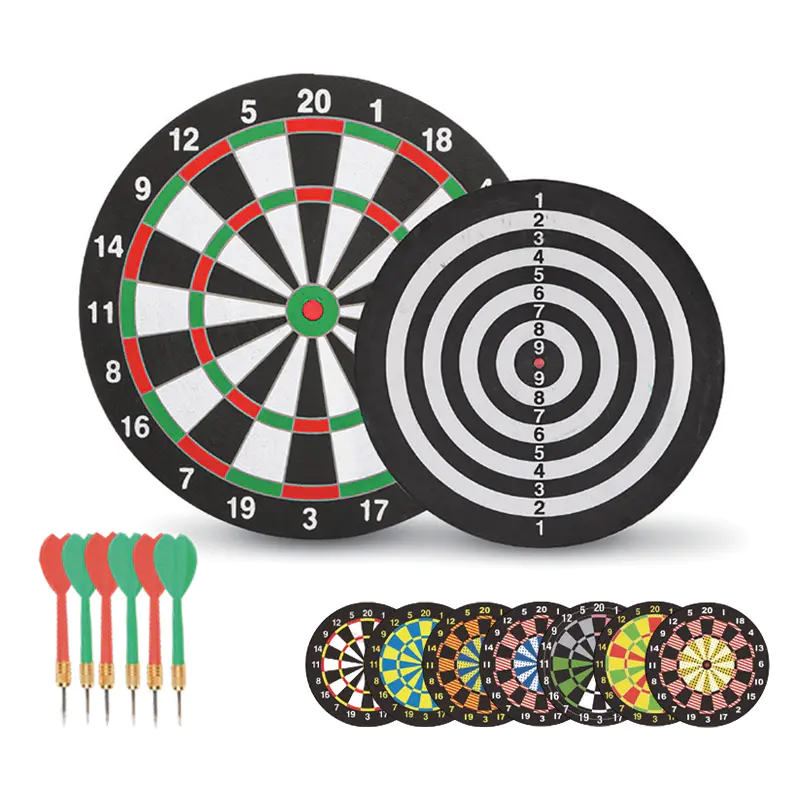
Match the Board to the Playing Environment
The first step is to identify where the board will be used and who will play. A board for occasional family games may have different requirements from one installed in a busy entertainment venue where multiple players use it throughout the day.
For home and casual settings, buyers may prioritize simple installation, an attractive appearance, and convenient storage. Commercial operators may place greater emphasis on surface durability, clear scoring areas, and ease of inspection between uses.
Recreational Dartboards should be selected according to these practical differences. Defining the setting before choosing a model helps buyers avoid paying for unnecessary features or overlooking requirements that matter during everyday use.
Understand the Difference Between Board Materials
Board construction affects playing feel, dart retention, maintenance, and expected service life. Traditional bristle-style boards are commonly made with compressed sisal fibers, while other recreational designs may use cork, paper-based materials, or plastic surfaces. Each construction has different characteristics and should be evaluated according to the intended darts and frequency of play.
Buyers should check whether the material is suitable for the specified dart points and whether the surface can tolerate the expected level of use. A product designed for soft-tip darts, for example, should not automatically be assumed to suit conventional steel-tip darts.
Manufacturers should clearly communicate material specifications and intended use so that distributors can present accurate product information to their customers.
Check Scoring Visibility and Surface Layout
A clearly defined scoring area makes casual games easier to follow, particularly when players have different levels of experience. Segment boundaries, number visibility, contrast, and overall printing quality all influence how easily users can identify scoring zones.
During sample inspection, buyers can examine whether the printed numbers are legible at a normal playing distance and whether the scoring segments are consistently positioned. They should also check for surface irregularities that could affect dart placement or create an uneven appearance.
For bulk orders, maintaining consistent layout and print quality is important when several boards will be installed in the same venue or sold as part of one product collection.
Plan Safe and Practical Installation
A suitable board still needs an appropriate installation area. Buyers should consider wall strength, available playing space, lighting, and the placement of nearby furniture or walkways.
Before installation, it is useful to confirm:
- Whether the mounting hardware is included and compatible with the intended surface
- Whether the wall can support the board and its mounting system
- Whether players have sufficient clearance to throw without obstructing others
- Whether lighting makes the scoring area easy to see
- Whether the surrounding area can be kept clear during play
Clear installation guidance can reduce setup difficulties for retailers, venue operators, and end users. In shared spaces, a designated playing area also helps separate the throwing zone from ordinary foot traffic.
Consider Maintenance and Replacement Needs
The maintenance requirements of a dartboard depend on its material, construction, and use conditions. Some surfaces may show wear around frequently targeted scoring areas, while printed or molded designs may require inspection for fading, cracking, or other visible damage.
Commercial buyers should consider how easily a board can be cleaned, inspected, and replaced when necessary. They should also establish whether the product requires specific dart types or accessories, since incompatible equipment may shorten the useful life of the playing surface.
A practical maintenance plan does not need to be complicated. Regular visual checks, suitable storage, and following the product's care instructions can help users identify problems before they affect the playing experience.
Evaluate Packaging and Product Presentation
For wholesale buyers, packaging affects more than shelf appearance. A dartboard may be shipped with darts, mounting accessories, scorekeeping items, or protective components, depending on the configuration. Each item should be organized so that the product arrives complete and ready for its intended setup.
Buyers should confirm carton dimensions, product labeling, accessory quantities, and protection against movement during transportation. Retail-oriented packaging may also need to communicate the intended user group and dart compatibility clearly.
Manufacturers can improve order consistency by documenting the approved packaging arrangement and checking accessory completeness before shipment.
Define Specifications Before Placing a Bulk Order
A clear purchasing brief helps manufacturers recommend a suitable configuration. Buyers should identify the target market, intended playing environment, preferred board material, dart type, dimensions, mounting requirements, packaging, and expected order quantity.
These details provide a stronger basis for sample approval and production planning than a general request for a low-cost recreational product. For distributors and commercial buyers, selecting a board that fits its intended use can support a more consistent customer experience, simplify product positioning, and make repeat purchasing easier.
Recommended Products
-
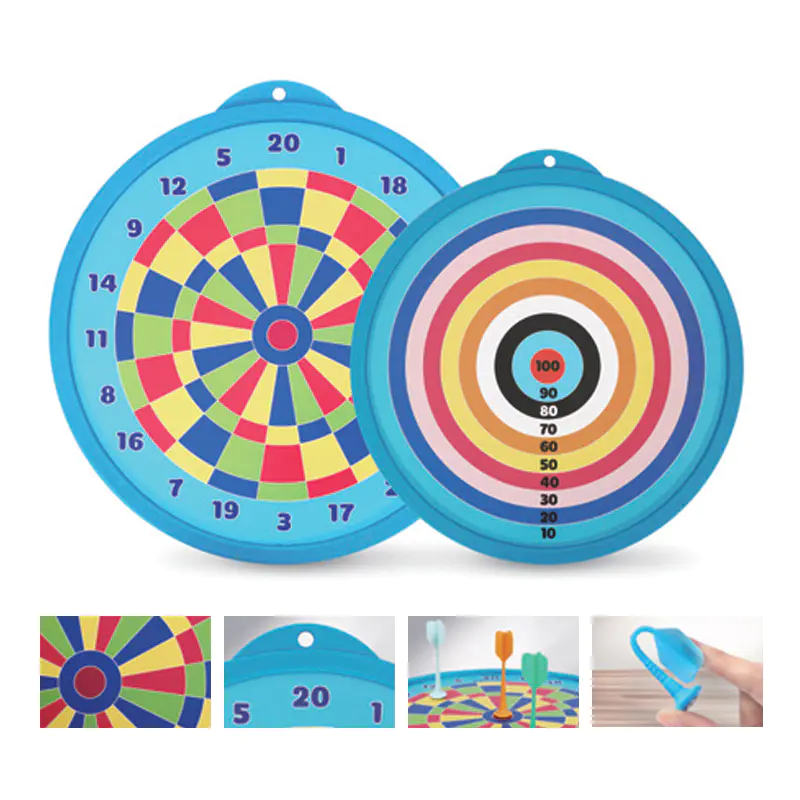


Portable Two-in-One Magnetic Dartboard for Indoor and Outdoor Play
-
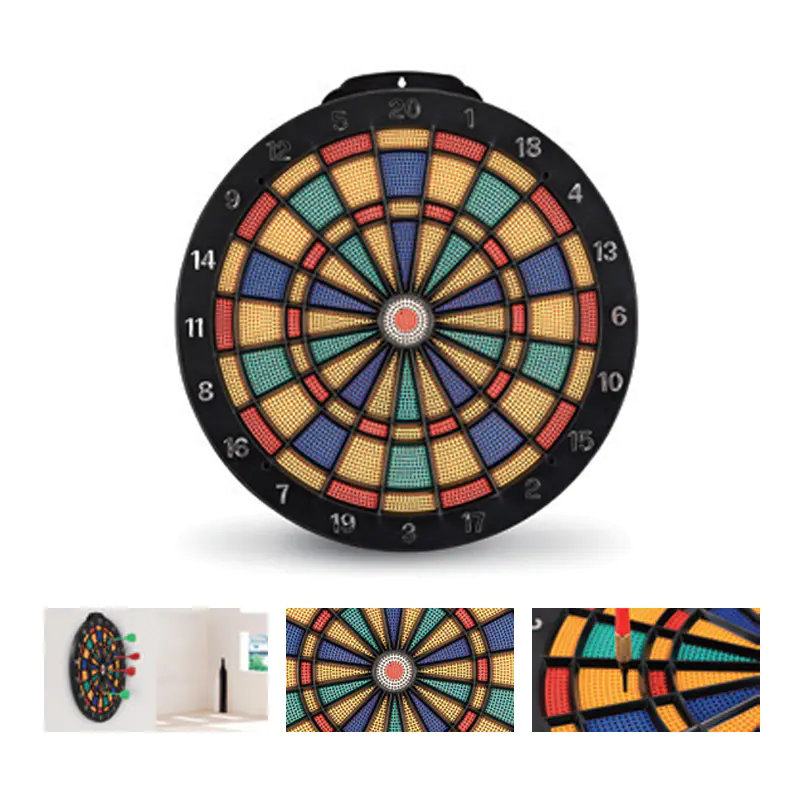
Safety Soft Tip Dartboard Set for Kids and Family Play
-
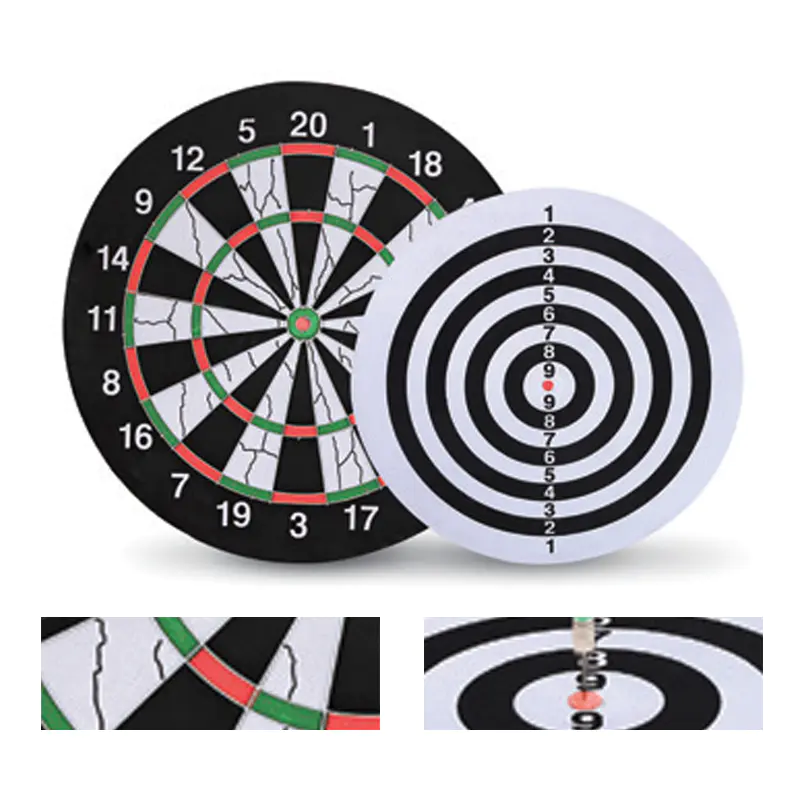
Two-in-One Flocked Printing Dartboard for Home Office and Recreation
-
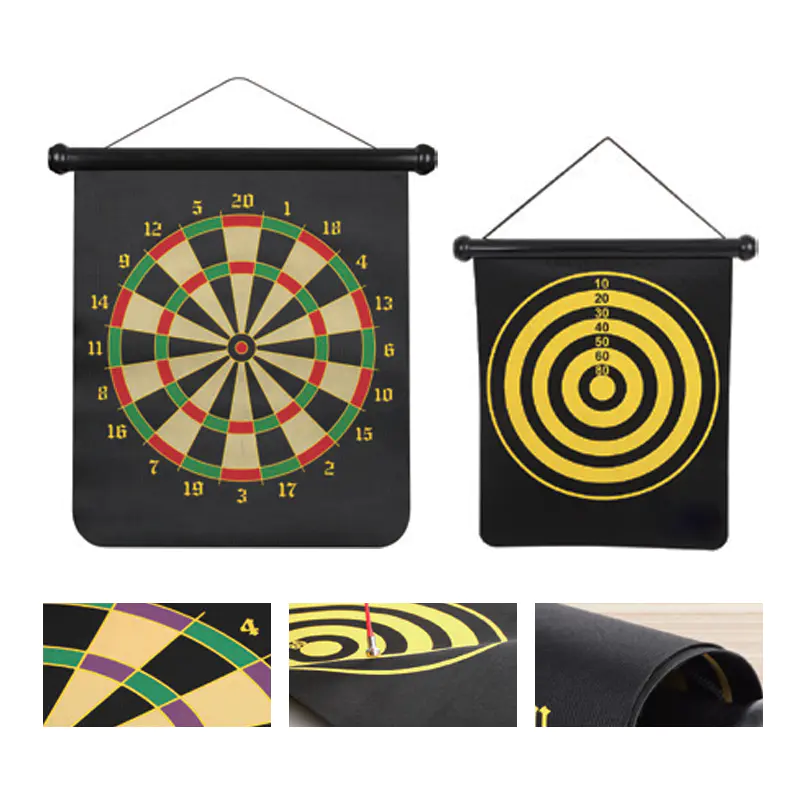
Double-Sided Roll-Up Kids Dartboard Set for Indoor and Outdoor
-
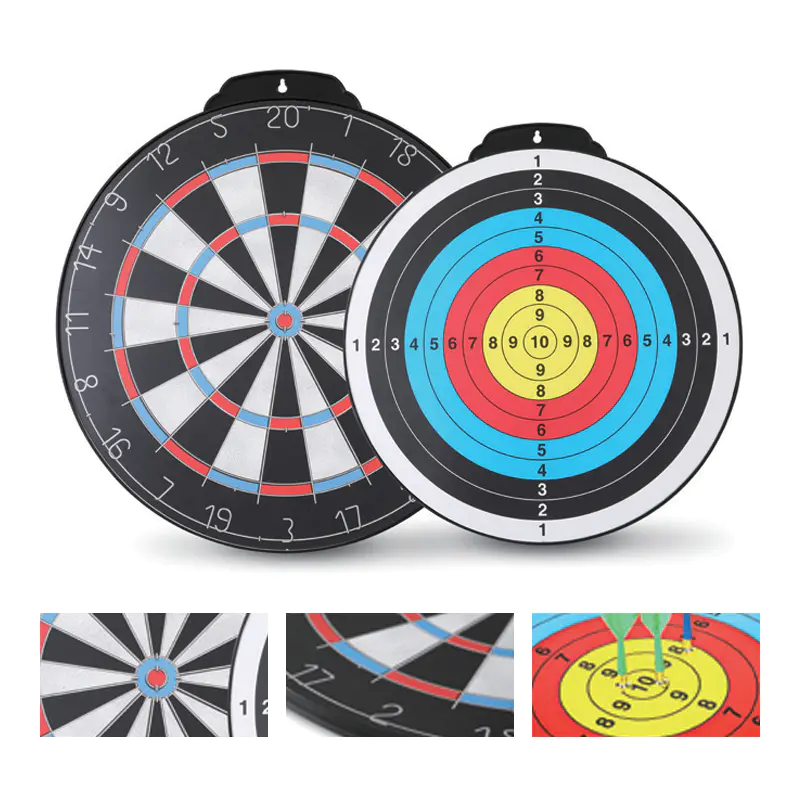
Safe Double-Sided Magnetic Dart Board for Kids and Adults
-
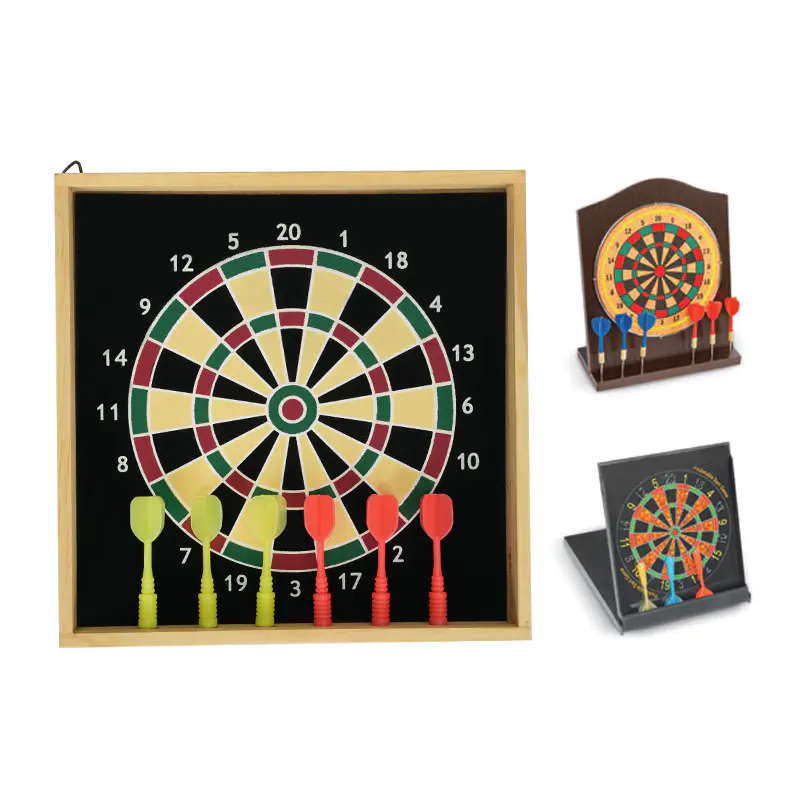
Mini Tabletop Dartboard Set with Standing Base and Darts
-

alysa@yilisports.cn
-

+86-15355379817
-

No. 22, Suhe Road, Yibei Industrial Zone, Yiwu City, Zhejiang Province, China
Copyright © 2026 by Yiwu Yili Sports Sports Goods Co., Ltd. Rights Reserved.
