 English
 Français
 Español
 Deutsch
How Can Better Quality Control Improve Consistency in Recreational Dartboards?
When retailers and entertainment venues order dartboards in bulk, the condition of a single sample is only part of the purchasing decision. The products delivered in the full shipment must also maintain consistent construction, appearance, accessory configuration, and packaging. Differences between units can lead to customer complaints, additional inspection work, and difficulties when replenishing stock. For manufacturers, a repeatable quality control process helps connect product design with the expectations of wholesale buyers.

Establish Clear Product Specifications
Quality control begins before production. If dimensions, materials, scoring layouts, and accessory requirements are not clearly defined, different production batches may develop avoidable variations.
Manufacturers should establish a product specification that covers the board's construction, overall dimensions, surface finish, printed or molded scoring details, and included accessories. Any customized requirements should be confirmed against an approved sample before mass production begins.
For buyers sourcing Recreational Dartboards, this documentation also provides a practical reference for comparing samples with delivered goods. Clear specifications reduce uncertainty and help both parties identify whether a difference is acceptable or requires correction.
Inspect the Playing Surface Carefully
The playing surface directly affects how the product looks and functions. Depending on the board material, inspection may involve checking for uneven areas, visible cracks, loose fibers, surface damage, or inconsistent segment boundaries.
Printed scoring details deserve attention as well. Numbers should be legible, and the layout should remain consistent with the approved design. If the board uses a segmented or molded construction, manufacturers should check that the relevant components fit together properly and do not create obvious gaps or irregular edges.
Inspection criteria should reflect the actual construction of the product. A fiber-based board and a molded plastic board do not require identical checks, so quality procedures should be adapted to the materials and manufacturing method.
Keep Dimensions and Construction Consistent
Even when two boards share the same design, variations in thickness, diameter, edge finishing, or mounting structure may affect installation and product presentation. These differences become more noticeable when boards are displayed together in a retail setting or installed across multiple rooms.
Manufacturers can use defined measuring points and inspection tools to verify important dimensions. Where the product includes several assembled parts, checks should also confirm that the components fit securely and maintain the intended shape.
For wholesale orders, it is useful to inspect samples from different stages of a production run rather than relying on one unit selected at the beginning. This helps identify variation that may develop during manufacturing.
Verify Dart and Accessory Compatibility
A dartboard package may include darts, mounting hardware, protective components, or other accessories. The exact configuration depends on the product design and target market, but every included item should match the approved specification.
One important check is compatibility between the board surface and the intended dart type. Soft-tip and steel-tip darts have different point designs and should not be treated as interchangeable across all boards.
Manufacturers should verify accessory quantities, dimensions where relevant, and packaging contents before shipment. Buyers can also request a clear list of included items so that receiving teams can check deliveries efficiently and retailers can describe the product accurately.
Protect the Product During Packaging
A board may pass its production inspection but arrive damaged if packaging does not protect it adequately. Pressure against the playing surface, movement inside the carton, or impacts during handling can affect the board's appearance and, depending on its construction, its usability.
Packaging should be selected according to the product's weight, surface material, accessories, and shipping conditions. Internal supports may help limit movement, while separate compartments can prevent darts or mounting parts from scratching the board.
For bulk orders, manufacturers should verify that the approved packing arrangement is followed consistently. Buyers should confirm carton quantities, labeling, and any special handling requirements before shipment.
Use Final Inspection to Catch Assembly Errors
Final inspection provides an opportunity to check the complete product rather than its individual components alone. A practical checklist may cover surface condition, scoring visibility, assembly, accessory completeness, labeling, and packaging.
Where appropriate, manufacturers can also carry out functional checks based on the board's intended design. The inspection method should be proportionate to the product and should not introduce damage during testing.
Recording defects and corrective actions helps production teams identify recurring issues. Over time, this information can support improvements to assembly methods, material handling, and inspection procedures without relying solely on end-of-line sorting.
Make Quality Requirements Part of the Purchase Agreement
Wholesale buyers can improve order clarity by confirming acceptance criteria before production starts. Important details include the approved sample, material and dimension requirements, permitted appearance variations, accessory configuration, packaging method, and inspection arrangements.
For manufacturers, a documented process makes it easier to maintain consistency across repeat orders and respond to customer requirements. For distributors and venue operators, it creates a clearer basis for receiving and evaluating deliveries.
Reliable recreational products depend on the relationship between design, manufacturing controls, and shipment preparation. By defining specifications early and checking each critical stage, manufacturers can deliver products that are more consistent in appearance, construction, and readiness for use.
Recommended Products
-
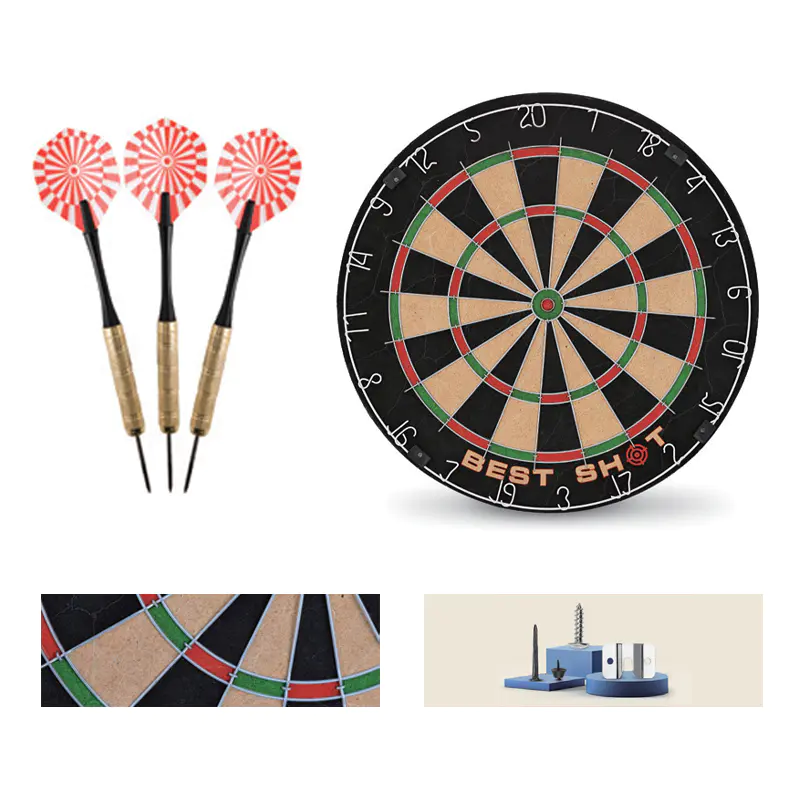


BL-1818C 18 inch Bristle Dartboard with Triangular Wire for Improved Durability
-
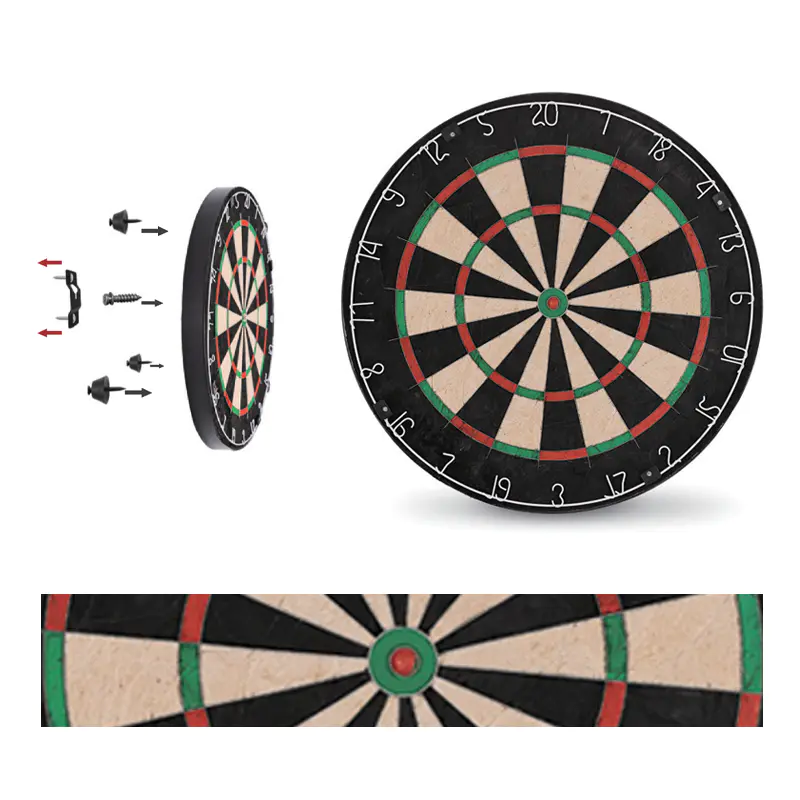
BL-1818A Professional 18 inch Bristle Dartboard with Knife-Edge Wire
-
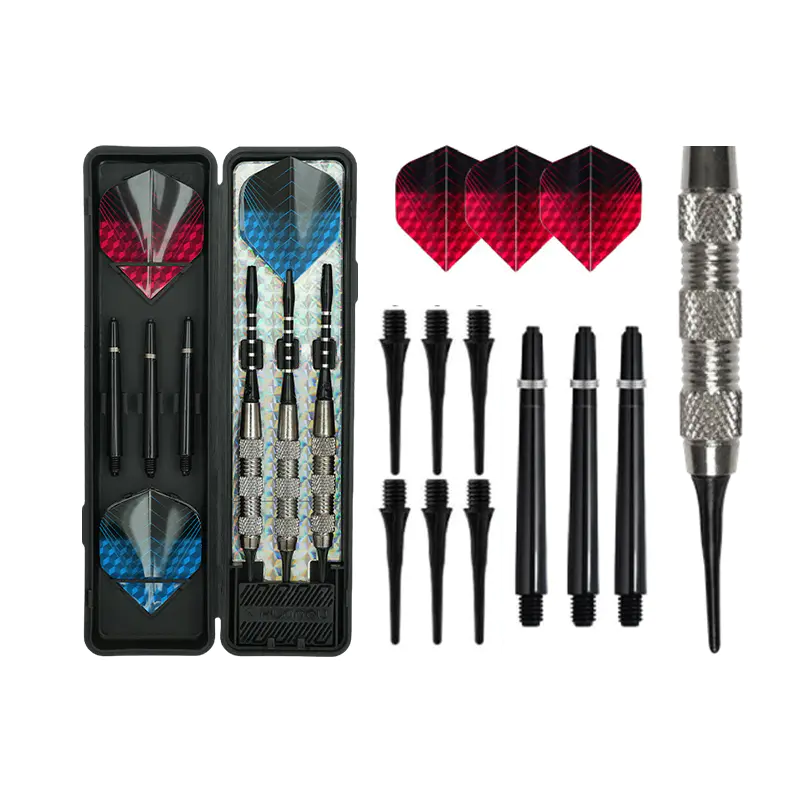
Black Copper Dart Set with Aluminum Shafts and Slim Case
-
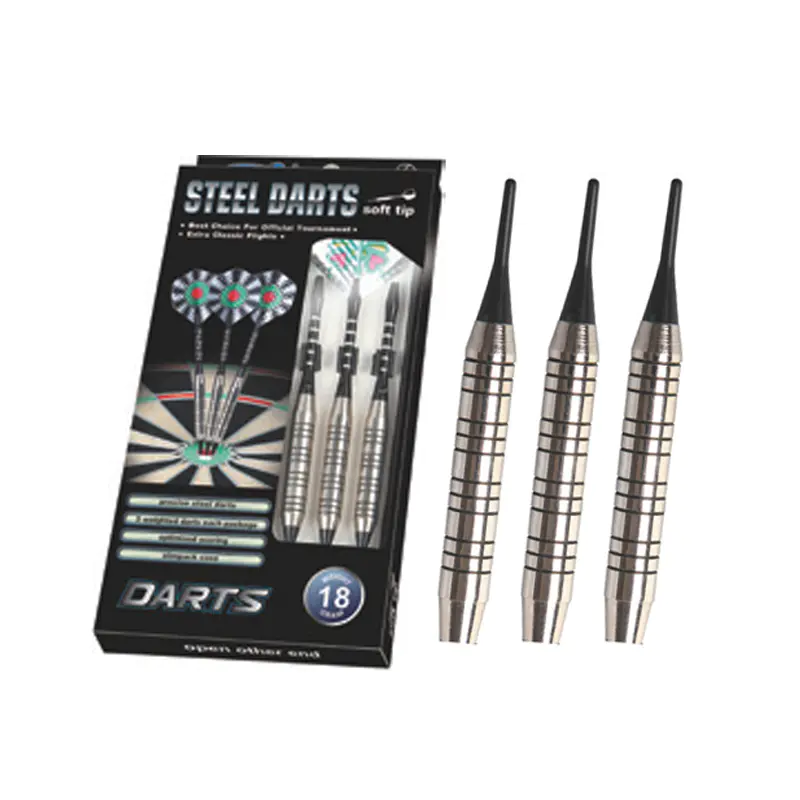
BL-3501 Professional 18g Soft Tip Darts with Black Ringed Grip
-
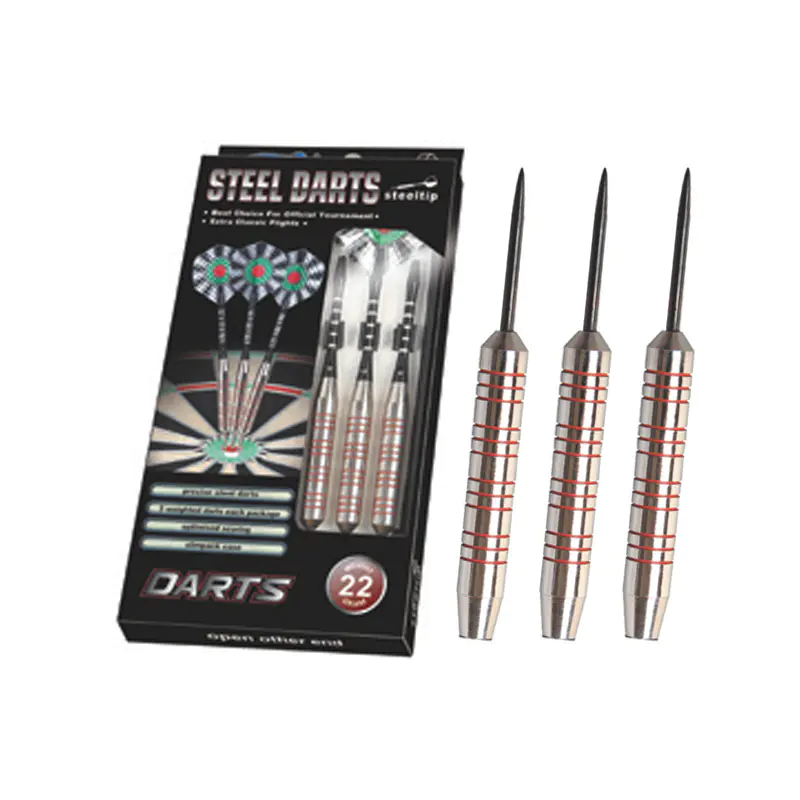
BL-3500 Professional 22g Steel Tip Darts with Red Ringed Grip
-
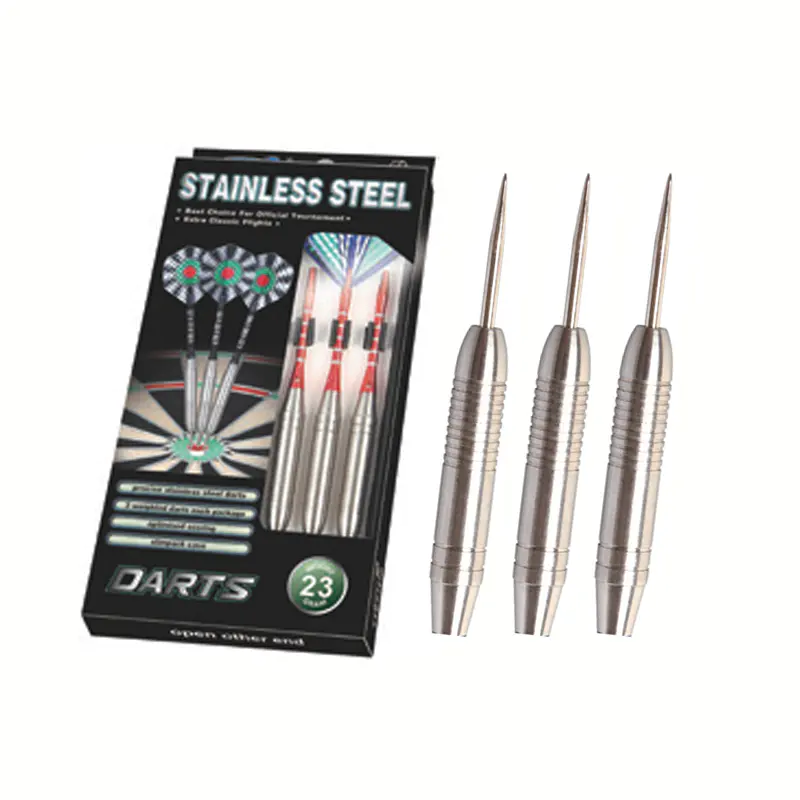
BL-3600 Professional 23g Stainless Steel Tip Darts Set Case
-

alysa@yilisports.cn
-

+86-15355379817
-

No. 22, Suhe Road, Yibei Industrial Zone, Yiwu City, Zhejiang Province, China
Copyright © 2026 by Yiwu Yili Sports Sports Goods Co., Ltd. Rights Reserved.
