 English
 Français
 Español
 Deutsch

How Can Better Dartboard Selection Improve the Playing Experience?
Darts is a practical addition to game rooms, recreation areas, pubs, offices, and home entertainment spaces because it requires relatively little floor space while encouraging social interaction and friendly competition. However, a dartboard that looks suitable in a product photo may not perform as expected in its intended environment. Mounting conditions, board materials, dart compatibility, and the frequency of use can all influence the playing experience. For distributors and commercial buyers, evaluating these details before placing an order helps match the product to its users and reduces avoidable after-sales concerns.
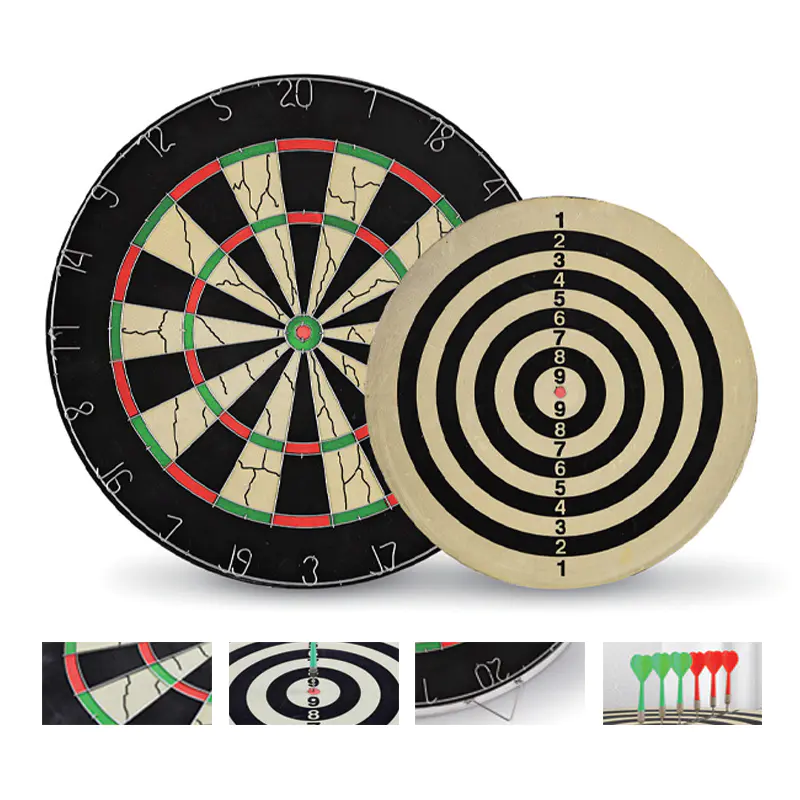
Match the Board to Its Intended Environment
A dartboard designed for occasional home entertainment may face different demands from one installed in a busy recreation venue. In a family game room, appearance, convenient installation, and ease of use may be priorities. Commercial settings may require greater attention to repeated play, mounting stability, and maintenance.
When selecting Recreational Dartboards, buyers should first identify the main user group and expected usage frequency. This information helps determine the appropriate board construction, accessory package, and installation requirements. Rather than choosing a product based on appearance alone, distributors can compare specifications against the conditions in which the board will actually be used.
Examine the Playing Surface and Construction
The playing surface directly affects how a dartboard responds to repeated impacts. Buyers should review the board material, surface construction, segment definition, and the way the scoring areas are secured. These details influence the product's appearance, usability, and suitability for different recreational settings.
For manufacturers, consistent assembly is an important part of product quality. The playing surface, scoring sections, surrounding structure, and mounting components should be checked according to the product design. Clear production specifications also help maintain consistency when the same model is manufactured in multiple batches.
Plan Installation Before Purchasing
Installation requirements are easy to overlook when comparing products, yet an unsuitable mounting arrangement can make a board inconvenient or unstable to use. Buyers should consider the available wall space, mounting surface, fixing method, and clearance needed around the target.
A practical installation plan should account for both the board and the player's movement. In shared recreation areas, the surrounding layout should help keep spectators and other activities away from the throwing zone. Manufacturers can support purchasing decisions by providing clear mounting instructions and confirming which installation accessories are included.
Consider Safety in Shared Spaces
A dartboard is a recreational product, but darts are pointed objects that require responsible handling. This becomes especially important in family environments, workplaces, and commercial entertainment facilities where several people may share the same space.
Before selecting a product, buyers should consider the intended age group, dart type, storage arrangements, and availability of a suitable playing area. Soft-tip and steel-tip configurations have different requirements, so the board and darts should be selected as a compatible set.
For facilities serving children, supervision and appropriate product selection remain essential. Clear product instructions can help users understand safe handling, storage, and installation practices.
Choose Accessories That Fit the Product
Accessories can affect convenience and the overall value of a dartboard package. Depending on the product design, a set may include darts, spare tips or flights, a mounting kit, a scoreboard, or other supporting items.
For distributors, the key is to identify which accessories are genuinely useful for the target market. A complete package can simplify retail presentation or venue setup, but unnecessary additions may increase packaging volume and procurement costs.
Manufacturers should confirm accessory compatibility, quantities, and packaging arrangements before production. This helps reduce missing-item complaints and makes the contents of each retail or wholesale package easier to verify.
Establish Quality Checks for Bulk Orders
A product sample gives buyers a useful first impression, but commercial purchasing also requires attention to batch consistency. Differences in board appearance, scoring layout, assembly, or included accessories can create difficulties when products are sold under the same model specification.
A structured inspection process can cover:
- Playing-surface appearance and scoring-area alignment
- Assembly quality and component attachment
- Mounting hardware and accessory quantities
- Product labeling and packaging condition
- Consistency with the approved sample and specifications
These checks give manufacturers and buyers a clearer basis for reviewing quality before shipment.
Develop Products Around Real Customer Needs
Successful recreational products need to balance usability, construction, appearance, and practical purchasing requirements. As a manufacturer, we consider these factors together when evaluating board configurations, accessory combinations, packaging, and production consistency. Overseas buyers who define their target users and installation environments early can make more informed sourcing decisions and build a product range suited to different recreational settings. The result is a more purposeful selection process and a better foundation for long-term customer satisfaction.
Recommended Products
-
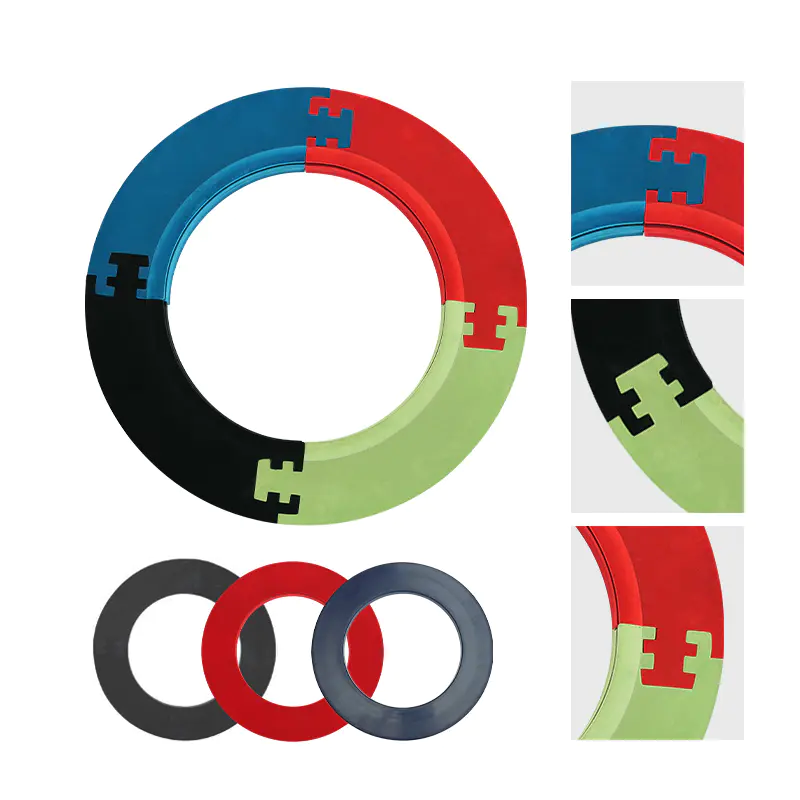


Dartboard Surround
-
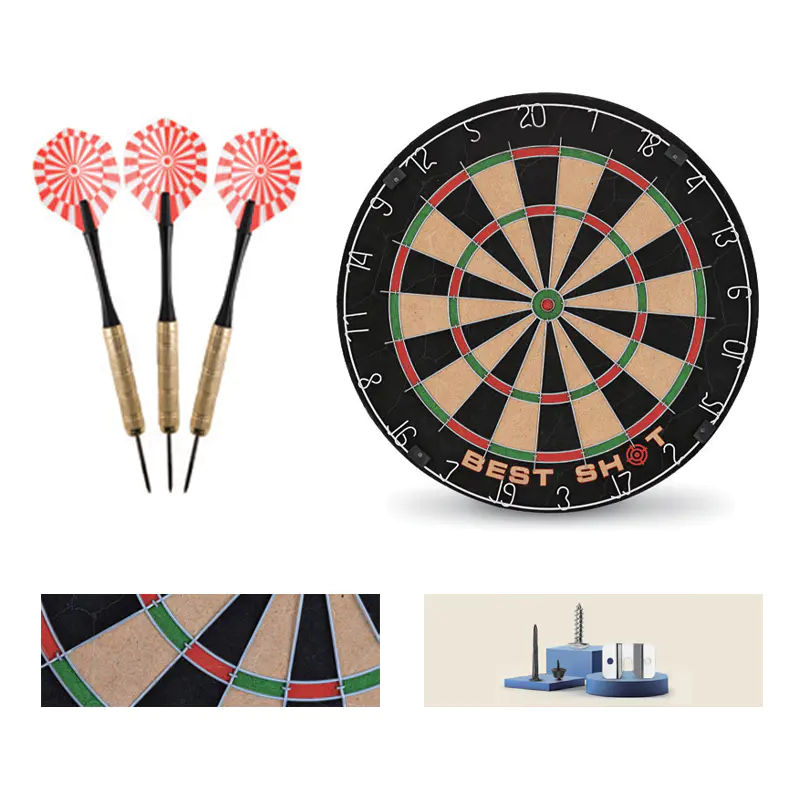
BL-1818C 18 inch Bristle Dartboard with Triangular Wire for Improved Durability
-
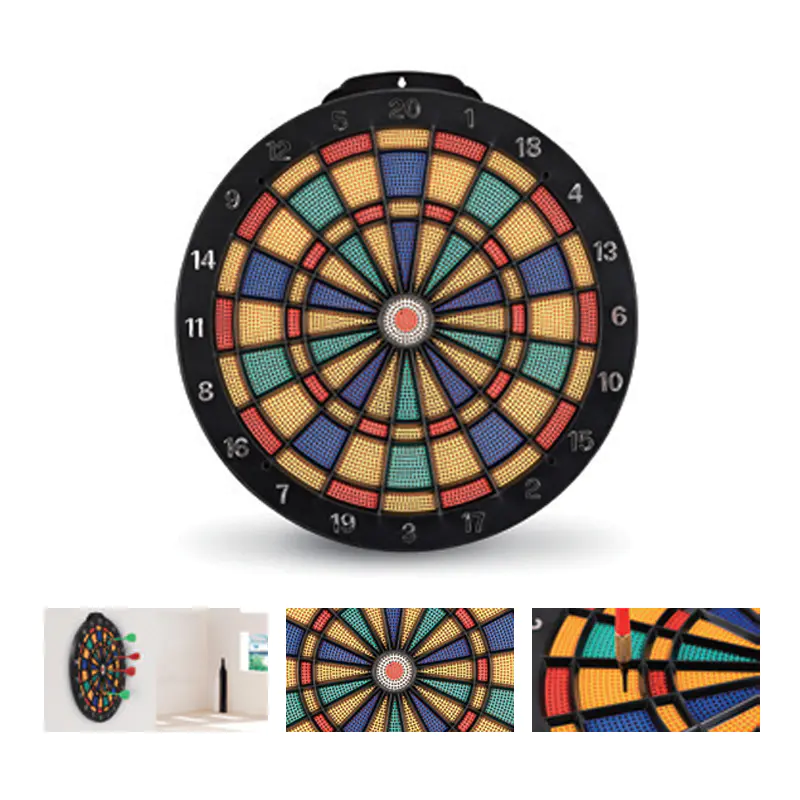
Safety Soft Tip Dartboard Set for Kids and Family Play
-
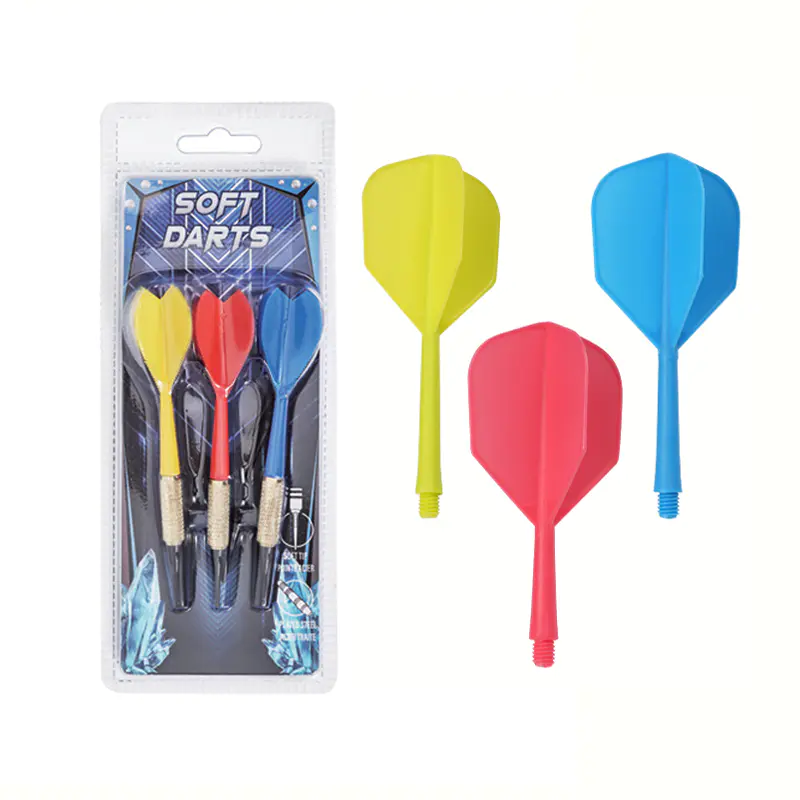
BL-3009SL 7g Safety Soft Tip Dart with Feather Design Set
-
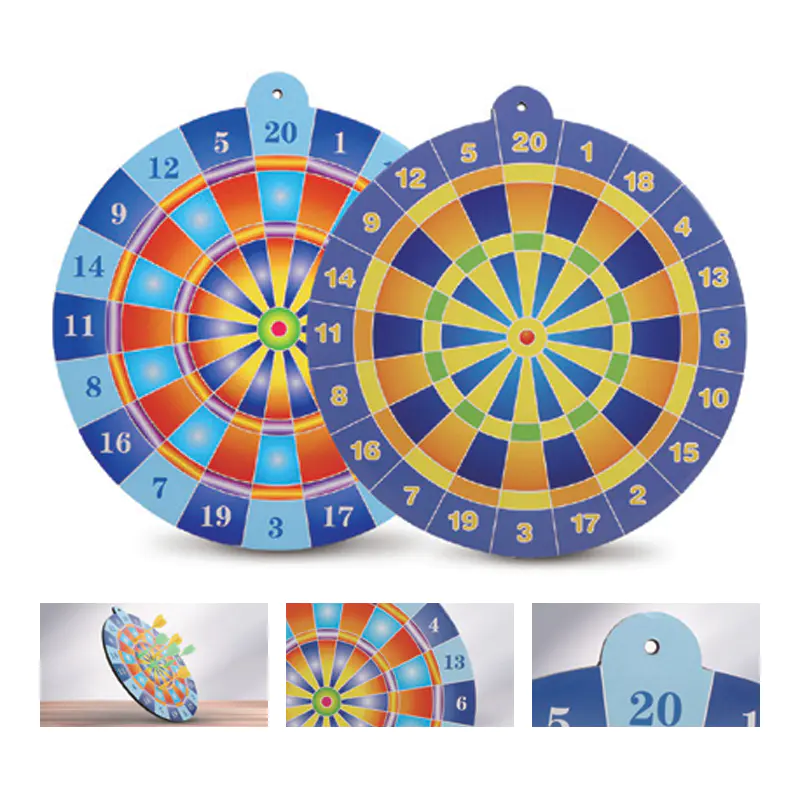
Baili Safe Kids Toy Game EVA Magnetic Dartboard Set
-
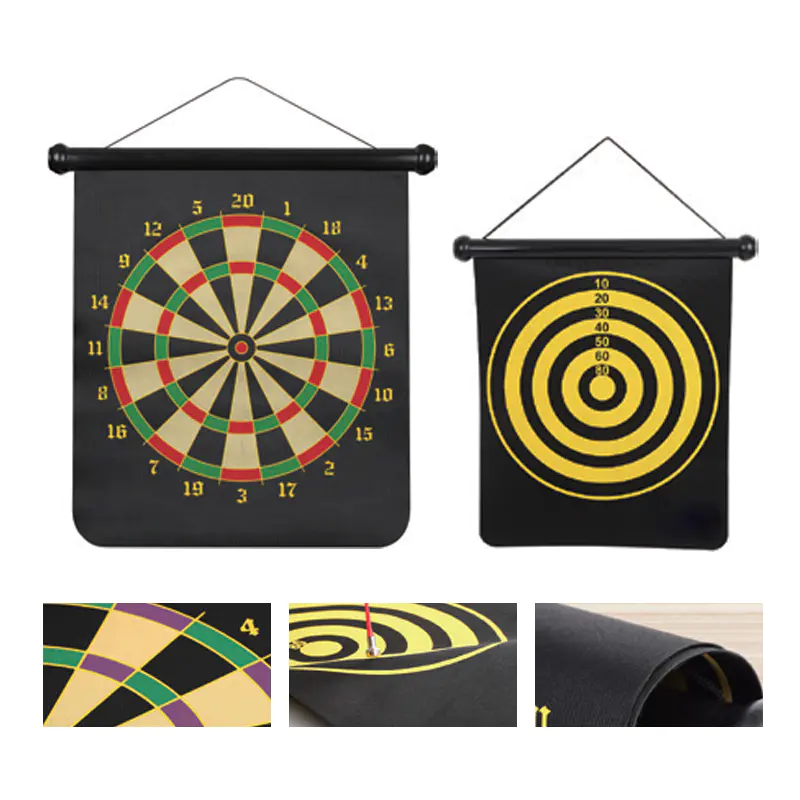
Double-Sided Roll-Up Kids Dartboard Set for Indoor and Outdoor
-

alysa@yilisports.cn
-

+86-15355379817
-

No. 22, Suhe Road, Yibei Industrial Zone, Yiwu City, Zhejiang Province, China
Copyright © 2026 by Yiwu Yili Sports Sports Goods Co., Ltd. Rights Reserved.
