 English
 Français
 Español
 Deutsch

When Does Better Packaging Make Dartboard Orders Easier to Manage?
A dartboard is more than a playing surface. For distributors, retailers, and commercial buyers, the product must also arrive in suitable condition, include the correct accessories, and be easy to store or present to customers. Packaging decisions can influence all these steps, particularly when products are shipped in bulk or sold as complete recreational sets. By considering packaging during product development rather than treating it as a final step, manufacturers can help buyers reduce handling difficulties and manage orders more consistently.
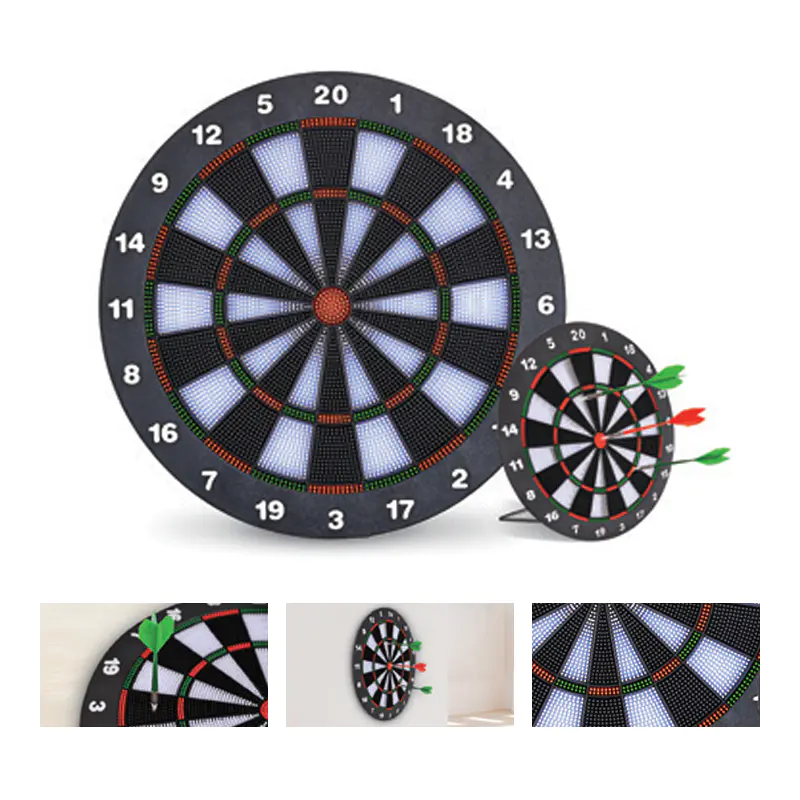
Protect the Board During Transportation
Dartboards can be affected by impact, pressure, friction, and careless handling during storage or transportation. Damage to the playing surface, frame, or mounting components may make a product unsuitable for sale even when its main construction is otherwise acceptable.
When preparing Recreational Dartboards for shipment, manufacturers should consider how the product is positioned inside the package and whether vulnerable areas have sufficient protection. The packaging should limit unnecessary movement without placing excessive pressure on the board surface.
Packaging selection should reflect the product's dimensions, weight, structure, and shipping conditions. A design that protects the board while remaining practical to pack can support smoother warehouse operations.
Keep Accessories Organized
A complete dartboard set may contain several small components, such as darts, flights, mounting hardware, or instructions. If these items move freely inside the carton, they may become difficult to locate or cause surface marks during transportation.
A dedicated compartment or inner package can help keep accessories separated from the playing surface. Manufacturers should also establish a clear packing list so workers can verify the correct contents before sealing each carton.
For buyers, this approach simplifies receiving inspections and makes it easier to identify missing components before products reach the sales floor or installation site.
Balance Protection With Storage Efficiency
Packaging needs to protect the product without creating unnecessary bulk. Oversized cartons can occupy more warehouse space and complicate pallet arrangement, while packaging that is too tight may make packing difficult or leave insufficient protection around vulnerable areas.
Manufacturers should evaluate the relationship between board dimensions, accessory placement, carton size, and stacking requirements. Where several product configurations are offered, each package should be checked against its specific contents rather than assuming that one carton design will suit every model.
A practical packaging layout can make better use of storage space while keeping products easier to handle.
Make Product Identification Clear
When buyers order several models, colors, or accessory combinations, unclear labels can lead to receiving errors and inventory confusion. Packaging should make it possible to identify the product without repeatedly opening cartons.
Useful information may include the model number, product dimensions, package contents, quantity, and handling instructions where appropriate. The exact labeling arrangement should reflect the buyer's distribution and inventory requirements.
Consistent identification also supports repeat ordering because purchasing teams can refer to an established specification instead of describing the product from memory or appearance.
Consider Retail Presentation and Unpacking
For products intended for retail sale, the outer package may be the first part of the product that customers see. Clear product images, readable descriptions, and organized contents can help buyers present the item more effectively.
Commercial purchasers may have different priorities, such as quick unpacking, convenient storage, or efficient distribution across several locations. Manufacturers should therefore confirm whether the package is designed for retail display, bulk shipment, or direct delivery to a venue.
These requirements can be discussed before mass production to avoid unnecessary packaging changes later.
Verify Packaging Before Bulk Production
A packaging sample should be checked with the actual product and accessories inside. Buyers and manufacturers can review fit, closure, internal movement, product identification, and ease of unpacking before confirming the final design.
For larger orders, packaging checks can also include carton condition and suitability for the planned handling process. Recording the approved packaging specification helps maintain consistency across subsequent shipments.
Make Packaging Part of the Product Plan
Effective packaging supports product protection, inventory control, and a more predictable delivery process. As a manufacturer, we consider the board, accessories, inner protection, carton dimensions, and labeling as connected parts of order preparation. Overseas buyers who communicate their storage, shipping, and sales requirements early can develop a packaging solution that fits their distribution process and supports more reliable supply of recreational dartboard products.
Recommended Products
-



Mini Tabletop Dartboard Set with Standing Base and Darts
-

Dartboard Surround
-
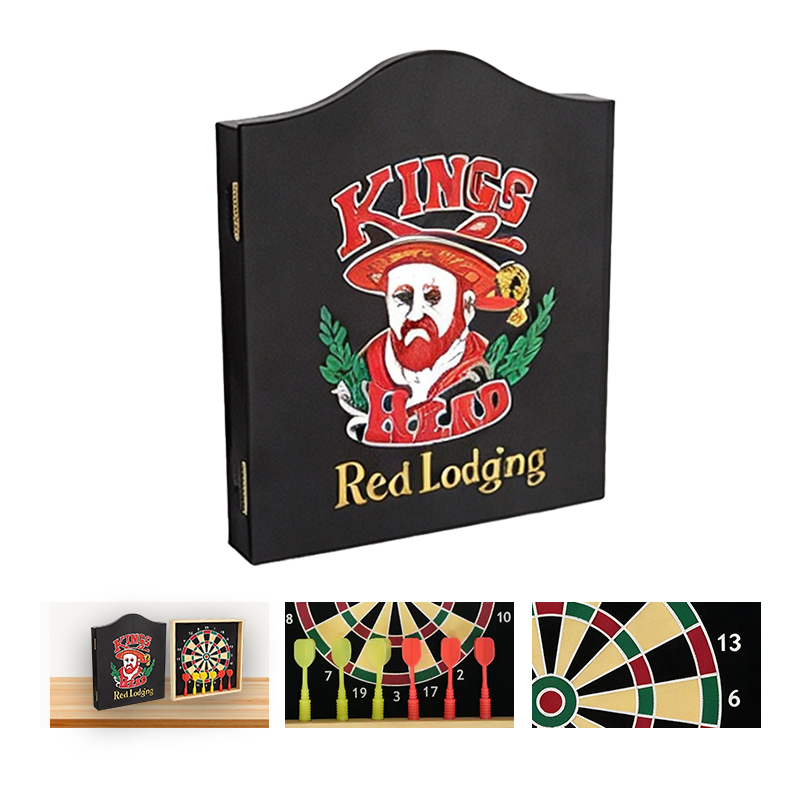
Mini Desktop Dartboard Set with Wooden Cabinet for Office Decor
-
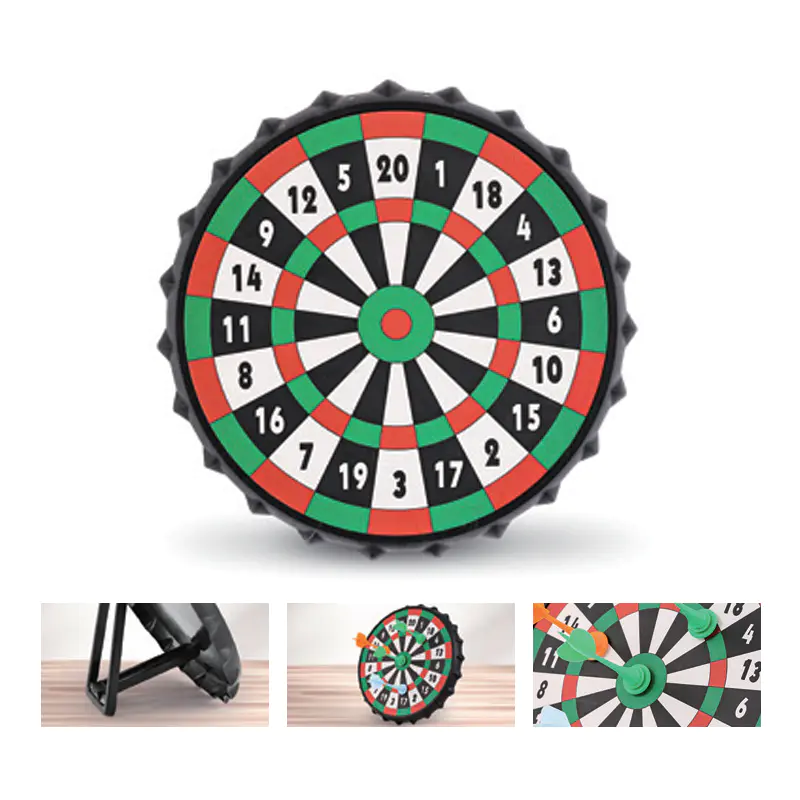
BL-701 Baili Desktop Dartboard Set with Soft Tip or Steel Tip Darts
-
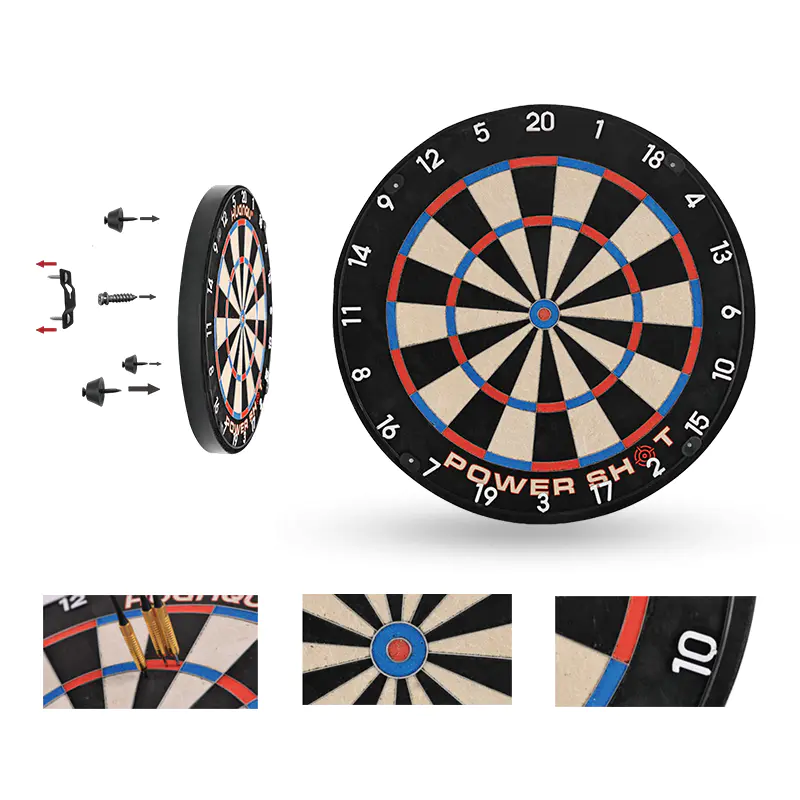
BL-1817 Professional Tournament Bristle Dartboard Set with Round Wire Spider
-
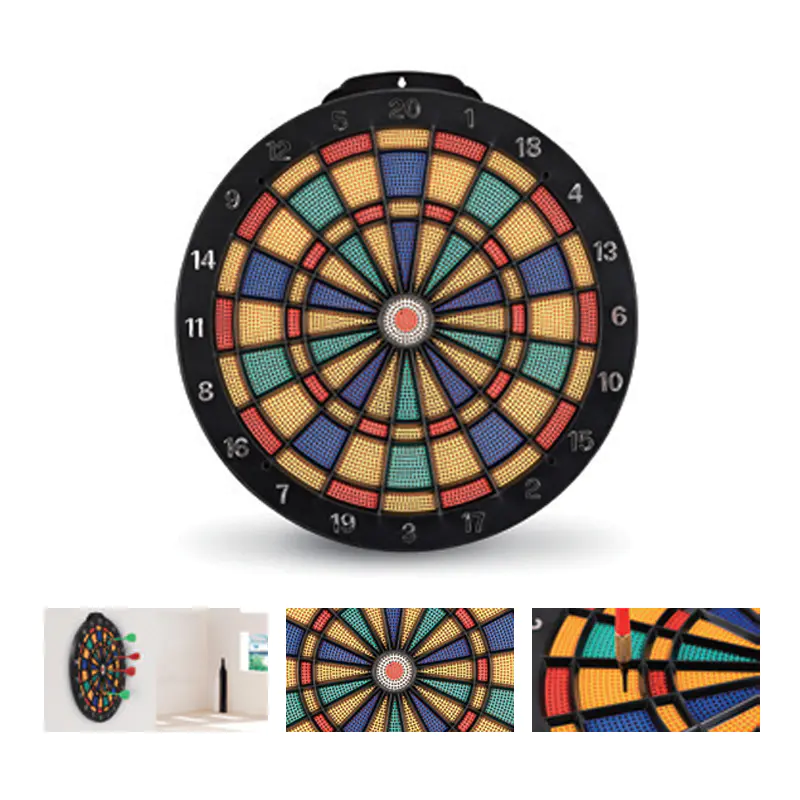
Safety Soft Tip Dartboard Set for Kids and Family Play
-

alysa@yilisports.cn
-

+86-15355379817
-

No. 22, Suhe Road, Yibei Industrial Zone, Yiwu City, Zhejiang Province, China
Copyright © 2026 by Yiwu Yili Sports Sports Goods Co., Ltd. Rights Reserved.
