 English
 Français
 Español
 Deutsch

How a Well-Designed Dart Storage Case Protects Equipment and Supports Serious Play

A dart storage case is a small piece of equipment, but it solves several practical problems for steel tip and soft tip players. Darts are precision-oriented sporting tools. Their barrels, shafts, flights, and points must remain properly aligned if a player expects consistent handling and reliable performance. When complete dart sets are placed loosely in a pocket, drawer, or crowded equipment bag, flights can become bent, shafts can loosen, and components may be scratched or separated. A purpose-built case provides a more organized and protective alternative.
The Dart Storage Case described in this article is designed for players who need one compact solution for storing and transporting both steel tip and soft tip darts. Its internal arrangement leaves additional space around flights so they can remain flat and retain their intended shape. Instead of forcing complete darts into a narrow compartment, the case uses inserts and different internal combinations to help users arrange their equipment according to their preferred setup.
For home players, league competitors, tournament participants, retailers, and private-label buyers, the product combines everyday convenience with a more professional presentation. It is compact enough for a gear bag, structured enough for organized storage, and adaptable enough to support customized colors, weights, logos, and packaging. These features make it relevant not only to individual players but also to wholesalers and brands looking for a practical dart accessory for their product range.
The Role of a Dart Storage Case in Equipment Protection
Darts are often carried with other sporting products, but general-purpose bags do not always provide suitable protection. A dart set may include metal barrels, flights made from flexible synthetic materials, shafts, soft tips, steel points, and small replacement parts. Each component has different storage requirements. A loose collection of parts can quickly become difficult to identify and may suffer unnecessary wear during transportation.
Flights are especially vulnerable. They are designed to provide aerodynamic stability, but they can lose their shape when compressed for long periods. A bent flight may not always be visibly damaged, yet it can change the feel of a throw and require the player to adjust the dart before use. A crowded pocket can also press flights against one another, creating creases or folds. By leaving extra room around the flight area, a dedicated case helps reduce this type of avoidable deformation.
Organization is another important advantage. A player may own several sets for different boards, practice routines, or competition formats. Steel tip darts and soft tip darts may be similar in appearance but are not interchangeable in every playing environment. Storing them together in a structured case makes it easier to distinguish sets and prepare for a session without searching through multiple containers.
A protective case can also reduce the need for repeated maintenance. When equipment is stored properly, players do not have to straighten flights or reassemble loose components before every throw. This saves time at home, during practice, and at league events. It also supports a more consistent preparation routine, which is valuable for players who want to focus on technique rather than equipment correction.
For retailers and distributors, the case provides a useful accessory category with broad customer appeal. It can be sold as a standalone product, bundled with darts, included in a starter kit, or offered as part of a private-label equipment program. Because the product serves both casual and serious users, it can complement a wide range of dart-related merchandise.
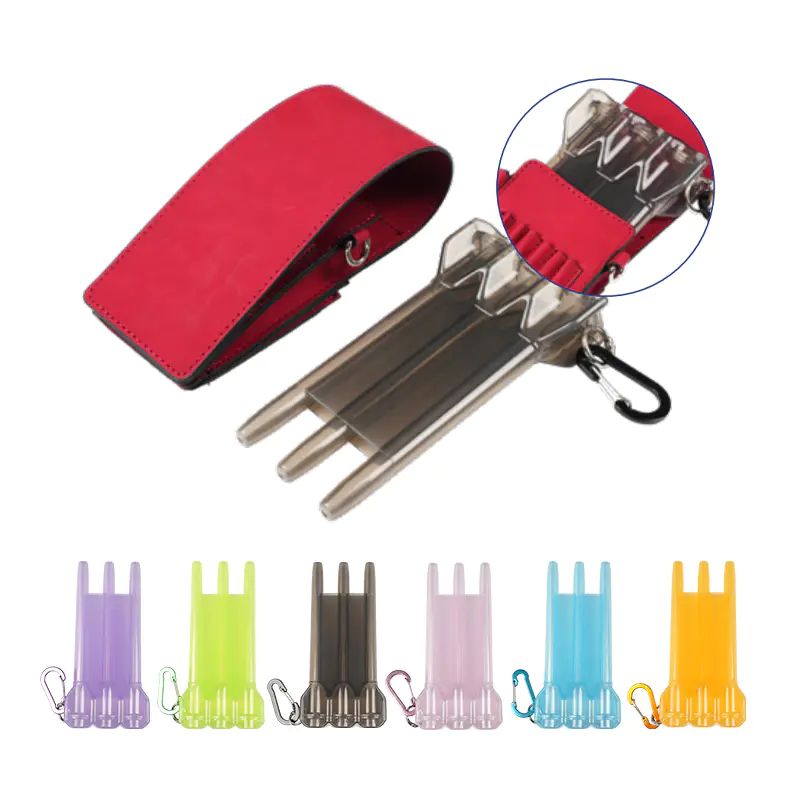
Dart Storage Case
Product Design Built Around Practical Storage
The central design principle of this dart storage case is usable space. Many small cases appear compact because they minimize internal room, but a case that is too tight may cause the very damage it is intended to prevent. The Dart Storage Case is designed to balance portability with sufficient space for the darts and their flights. This allows players to carry equipment conveniently without placing excessive pressure on delicate components.
The internal inserts are available in different styles and combinations. This gives users more flexibility when arranging complete darts, spare flights, shafts, or additional sets. Different players have different equipment habits. Some prefer to keep darts fully assembled, while others separate components for transport. A choice of insert configurations makes the case more adaptable than a fixed, single-purpose pocket.
A flexible internal layout is also useful for buyers developing product collections. A wholesaler may need one case configuration for beginner sets and another for higher-value competition darts. A brand may prefer a layout that accommodates its own flight shapes, shaft lengths, or packaging requirements. Insert variations provide a starting point for these different applications without requiring every buyer to use an identical storage format.
The compact size is another practical strength. Players commonly carry darts in backpacks, sports bags, luggage, or equipment cases. A bulky storage solution can be inconvenient, especially when the player already carries clothing, accessories, scorekeeping items, and other sporting goods. A compact case can fit into most gear bags while keeping the dart set separated from heavier items that could otherwise press against it.
Portability does not mean the case is limited to travel. It is also useful for home organization. A player may keep several spare sets, replacement flights, and soft tips near a practice board. A dedicated case keeps these items together and reduces clutter. When the case is returned to the same storage location after each session, the player can quickly find the required set for the next practice session.
The overall hand feel is intended to suit daily use as well as tournament travel. This matters because a storage case is handled frequently. It may be opened at a practice board, passed around during a league night, packed into luggage, or displayed in a retail environment. A case with a more refined tactile impression can support a better user experience and contribute to a stronger perception of product quality.
Designed for Steel Tip and Soft Tip Darts
One of the product's main advantages is its suitability for both steel tip and soft tip darts. Steel tip darts are traditionally used with sisal or other bristle dartboards and include a pointed metal tip. Soft tip darts are commonly used with electronic dartboards and have a replaceable plastic tip. Although the two formats have different playing applications, users may own both and want one convenient storage solution.
A dual-purpose case reduces the need to purchase and carry separate containers. This is especially useful for players who participate in different venues, families with multiple players, and retailers selling combination dart sets. A player can prepare for a home electronic board, a steel tip practice board, or a league event without changing to an entirely different storage system.
The case also supports quick equipment changes. During practice, a player may compare different weights, flights, or shaft combinations. During a competition or league night, a spare set may be needed without warning. Organized storage allows the user to identify and access the correct equipment quickly, reducing interruptions and helping the player return to the board sooner.
Advantages Compared with Basic Dart Storage Solutions
Basic storage methods include fabric pouches, plastic bags, open trays, generic pencil cases, and loose compartments in a sports bag. These solutions may be inexpensive, but they are not always designed around the shape and needs of complete darts. They can provide limited separation, little protection for flights, and poor visibility of the stored equipment.
A purpose-built case offers several advantages over these alternatives. First, it creates a dedicated environment for darts rather than requiring them to share space with unrelated items. Second, the internal inserts help manage the position of each component. Third, the additional flight room helps reduce bending and warping. Finally, a fitted case gives the product a more professional appearance for both personal use and retail presentation.
| Storage Option | Flight Protection | Organization | Portability | Suitability for Retail or Private Label |
|---|---|---|---|---|
| Loose pocket or bag compartment | Low | Low | High | Low |
| Generic small pouch | Limited | Limited | High | Moderate |
| Open storage tray | Moderate | Moderate | Low | Moderate |
| Fixed single-layout dart case | Good | Good | Good | Good |
| Configurable Dart Storage Case | Good to high | High | High | High |
The table illustrates why internal configuration matters. A case may be compact, but compactness alone does not guarantee good storage. A well-designed case must provide enough room for flights, enough structure to keep components organized, and enough portability for real-world use. The configurable insert approach addresses these needs more effectively than a single undivided pocket.
Another competitive advantage is the ability to customize the product. Generic storage products are normally sold in a fixed color, fixed format, and standard package. The Dart Storage Case can be adapted through color selection, weight adjustments where applicable, logo application, and packaging changes. These options are particularly valuable for brands and distributors that want their accessories to match an existing visual identity or product strategy.
Basic changes are available without a minimum order requirement according to the supplied product information. This can lower the entry barrier for small brands, clubs, teams, and trial orders. A buyer does not necessarily need to commit to a large volume before testing a color, adding a logo, or requesting a packaging variation. For new product development, this flexibility can make market testing more practical.
Application Scenarios for Different Types of Players
Home Practice and Equipment Organization
At home, the case can be used to organize spare dart sets and frequently used accessories. A player may keep a primary set in the case together with a backup set, spare flights, and replacement shafts. The structured layout makes it easier to maintain an orderly practice area and prevents small parts from becoming scattered around the board.
Home users also benefit from reduced preparation time. When darts are stored in a protective case, a player can take the case to the board, select the required set, and begin practicing. This is more convenient than collecting separate components from drawers or containers. After practice, the same case provides a designated place to return everything, supporting a repeatable routine.
League Nights and Club Play
League players often need to move equipment between home, clubs, and competition venues. A gear bag may contain several dart sets, scorekeeping materials, clothing, and personal items. The compact case keeps the darts in a separate protective unit, making the main bag easier to manage.
League environments can also involve quick transitions. A player may change from one dart set to another, lend a spare set to a teammate, or replace a damaged flight. Organized storage makes these changes more efficient. Because the case is designed for both steel tip and soft tip use, players who participate in different league formats can carry compatible equipment in one accessory.
Tournament Travel
Tournament travel places additional demands on dart storage. Equipment may be packed in luggage, carried through transit areas, or moved between practice rooms and competition spaces. A loose dart set can be difficult to protect during these changes. The case creates a dedicated layer of organization within a larger travel bag.
Traveling players also need to prepare quickly. Tournament schedules can include practice sessions, check-in periods, qualifying rounds, and matches. A case that allows the player to access darts without unpacking the entire bag helps improve convenience. The extra space around flights is especially useful when darts remain assembled during transport.
Retail, Team, and Promotional Programs
For retailers, the case can be positioned as an accessory for customers purchasing darts or dartboards. It can be sold separately or used in a bundled offer. For teams and clubs, logo customization can turn the case into a coordinated equipment item. It may also be used for promotional programs, event merchandise, or membership packages.
Custom packaging supports a more complete retail presentation. A buyer can request packaging that aligns with an existing brand system, seasonal campaign, team identity, or product launch. This makes the storage case more than a generic accessory; it becomes part of a broader merchandising strategy.
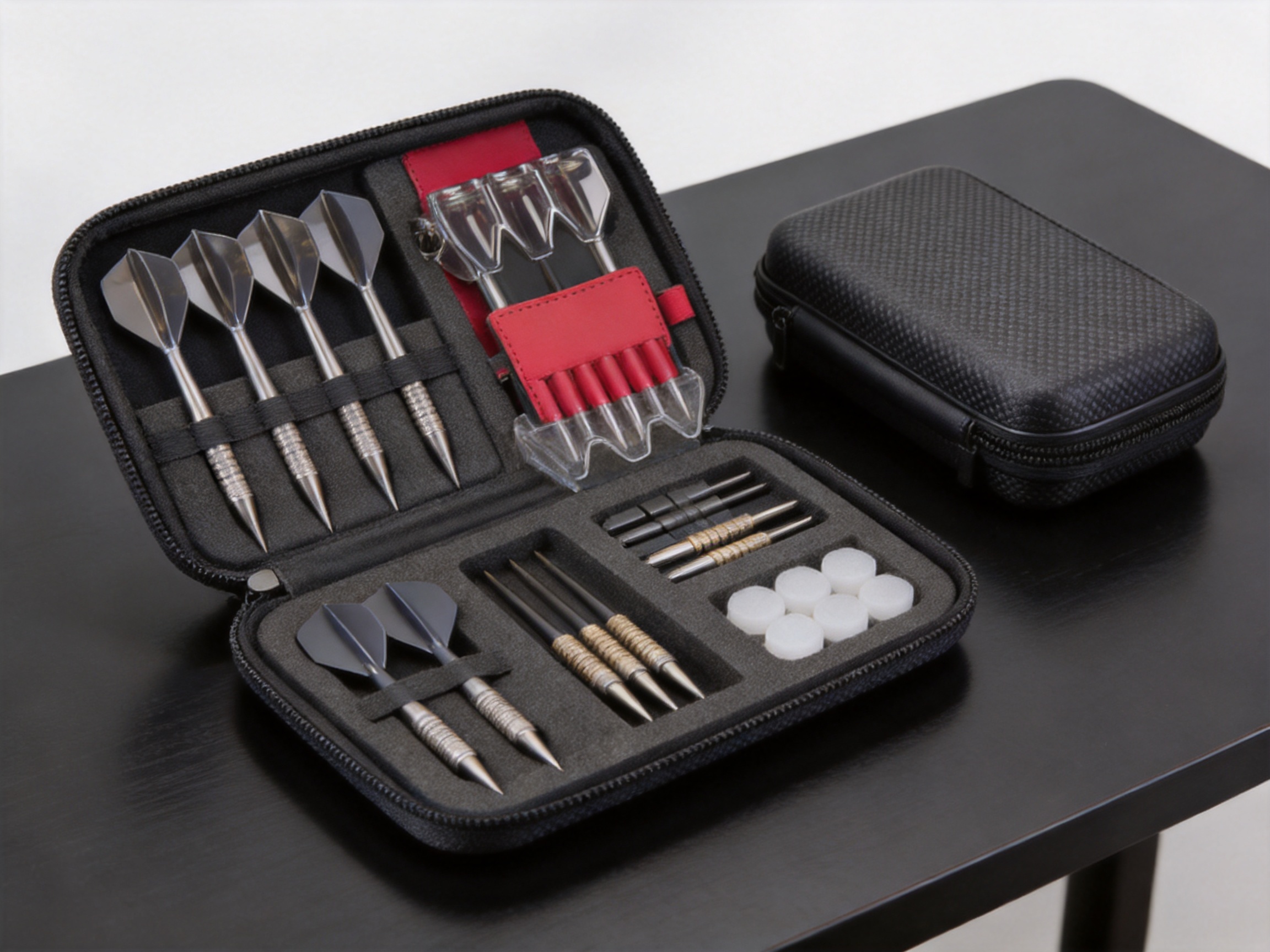
Customization Options for Commercial Buyers
Customization is an important feature for B2B buyers because the needs of a private-label brand are different from those of an individual player. A retailer may need a particular color range, while a sports club may want a logo and coordinated packaging. A distributor may prefer a standard product with a modified visual presentation for a regional market.
Color Customization
Multiple available colors allow buyers to select a finish that suits their product collection. Color can be used to distinguish different product levels, identify steel tip and soft tip versions, or match the appearance of existing dartboards and accessories. It can also support seasonal releases and limited-edition programs.
For a consumer, color is a personal preference. For a brand, it is part of visual recognition. A consistent color strategy across cases, dart sets, packaging, and display materials can help products appear more cohesive on a retail shelf or online store.
Weight Adjustment
The product information states that weight can be adjusted according to preference. This option may be relevant when a buyer is developing a customized product combination or wants the case to correspond to a specific equipment package. Weight-related requirements should be confirmed during product consultation because the final specification may depend on the selected materials, insert structure, and packaging configuration.
Weight customization can also help a buyer create clearly differentiated product tiers. A basic model may use a lighter configuration for casual players, while a more substantial model may be developed for frequent travelers or premium collections. Clear communication of the intended use is important so the manufacturer can recommend an appropriate structure.
Logo Application
Logo customization gives brands, clubs, teams, and distributors a way to establish product identity. A logo can help connect the case with a dart set, board, or complete product program. It can also make the case suitable for corporate gifts, event promotions, and organized competitions.
Before production, buyers should provide logo artwork in a clear format and confirm the intended position, size, color, and application method. These details influence the visual result and should be reviewed through a sample or pre-production approval process when required.
Packaging Customization
Packaging is important for retail readiness and product protection. Custom packaging can include the buyer's visual identity, product information, barcode requirements, language requirements, and market-specific details. It can be designed for shelf display, e-commerce fulfillment, or bundled sales with darts and dartboards.
Packaging customization also supports different order types. A wholesale buyer may need efficient bulk packaging, while a brand owner may require individual retail units. A team order may prioritize simple logo presentation and easy distribution. Discussing the sales channel early helps ensure that the packaging format matches the intended use.
Manufacturing Strength Behind the Product
The storage case is supported by the broader manufacturing capabilities of Yiwu Yili Sports Goods Co., Ltd., a specialized producer of dartboards, darts, and related sporting products. The company has maintained a long-term focus on the dart category, allowing its manufacturing systems to develop around the specific requirements of dart equipment rather than around unrelated product groups.
The company operates an approximately 25,000-square-meter facility with dedicated areas for component processing, assembly, packaging, and warehousing. A structured production layout supports the movement of materials through different stages of manufacturing. This type of organization is important for B2B orders because it helps connect production planning, assembly, inspection, packing, and storage within a coordinated system.
A dedicated manufacturing environment also supports product consistency. Dart accessories may appear simple, but variation in dimensions, fit, finish, or assembly can affect user satisfaction. Standardized processes make it easier to define production requirements and repeat them across larger orders. For a storage case, this may include insert placement, closure alignment, logo positioning, color consistency, and packaging accuracy.
The company has continued to invest in automation and proprietary equipment development. Automated production lines can help reduce manual variation and improve repeatability. This is valuable when a customer requires a consistent result across a large quantity or when several product versions must be produced within the same program.
Automation is not a replacement for product development or quality control. Instead, it provides a more stable foundation for repetitive operations. When equipment and process settings are properly managed, automation can improve efficiency, support structural precision, and help maintain consistent output between production batches.
The company also operates an independent quality control department. Its responsibilities include raw material inspection, in-process monitoring, and finished product testing. These stages are important because quality cannot be created only at the end of the production line. Materials must be checked before use, production conditions must be monitored, and finished products must be reviewed against defined requirements.
For the Dart Storage Case, quality control may involve checking the appearance, dimensions, insert configuration, closure function, color, logo application, packaging, and order quantity. For related dart products, inspection may include size, weight, appearance, and other defined specifications. A structured quality system gives B2B customers a clearer basis for managing repeat orders and private-label programs.
Capacity for Long-Term Supply Programs
The company's manufacturing history includes the development of a new factory, the launch of sisal dartboard production, the introduction of multiple automated production lines through independent research and development, and expansion into a new production facility. These developments indicate a continuing effort to strengthen capacity and improve production efficiency.
For international buyers, capacity planning matters because a supplier must do more than produce one successful sample. A reliable partner should be able to support repeat purchasing, seasonal demand, product updates, and project-based orders. A structured facility with component processing, assembly, packaging, and warehousing capabilities can provide a more integrated foundation for these requirements.
The company exports products to Europe, North America, and the Middle East, serving brand owners, retail chains, and distributors. Experience with these markets can support communication around packaging, documentation, order planning, and export procedures. Buyers should still provide market-specific requirements in advance, but an established export structure can make cooperation more efficient.
The company was founded in 1993 and established an overseas sales network in 1995. Its long involvement in dart manufacturing provides category experience that is relevant to product design, material selection, assembly, and customer support. The company has also been designated as a standard-setting enterprise for dart production, reflecting its participation in the development of industry practices.
Why Category Specialization Matters
A supplier that focuses on dart-related products can offer a different type of support from a general sporting goods factory. Dartboards, darts, cases, flights, shafts, and packaging are connected as a product ecosystem. Understanding how these products are used can help a manufacturer respond more effectively to requirements involving compatibility, storage, presentation, and product positioning.
Category specialization can also improve communication. A buyer does not need to explain every basic feature of steel tip and soft tip darts before discussing a storage solution. The supplier's experience with sisal dartboards, flocked dartboards, magnetic safety structures, dart assembly, and retail-ready packaging provides a broader technical context for product development.
For the Dart Storage Case, this experience can support conversations about how users store complete darts, how flights need room to maintain their shape, and how the case can be presented with other dart products. It can also help buyers choose suitable insert combinations for specific product bundles.
Specialization is especially valuable for private-label development. A brand owner may want to create a family of products that includes a dartboard, several dart sets, accessories, and a storage case. Working with a manufacturer that already operates across these categories can simplify sourcing and improve visual or functional coordination among the products.
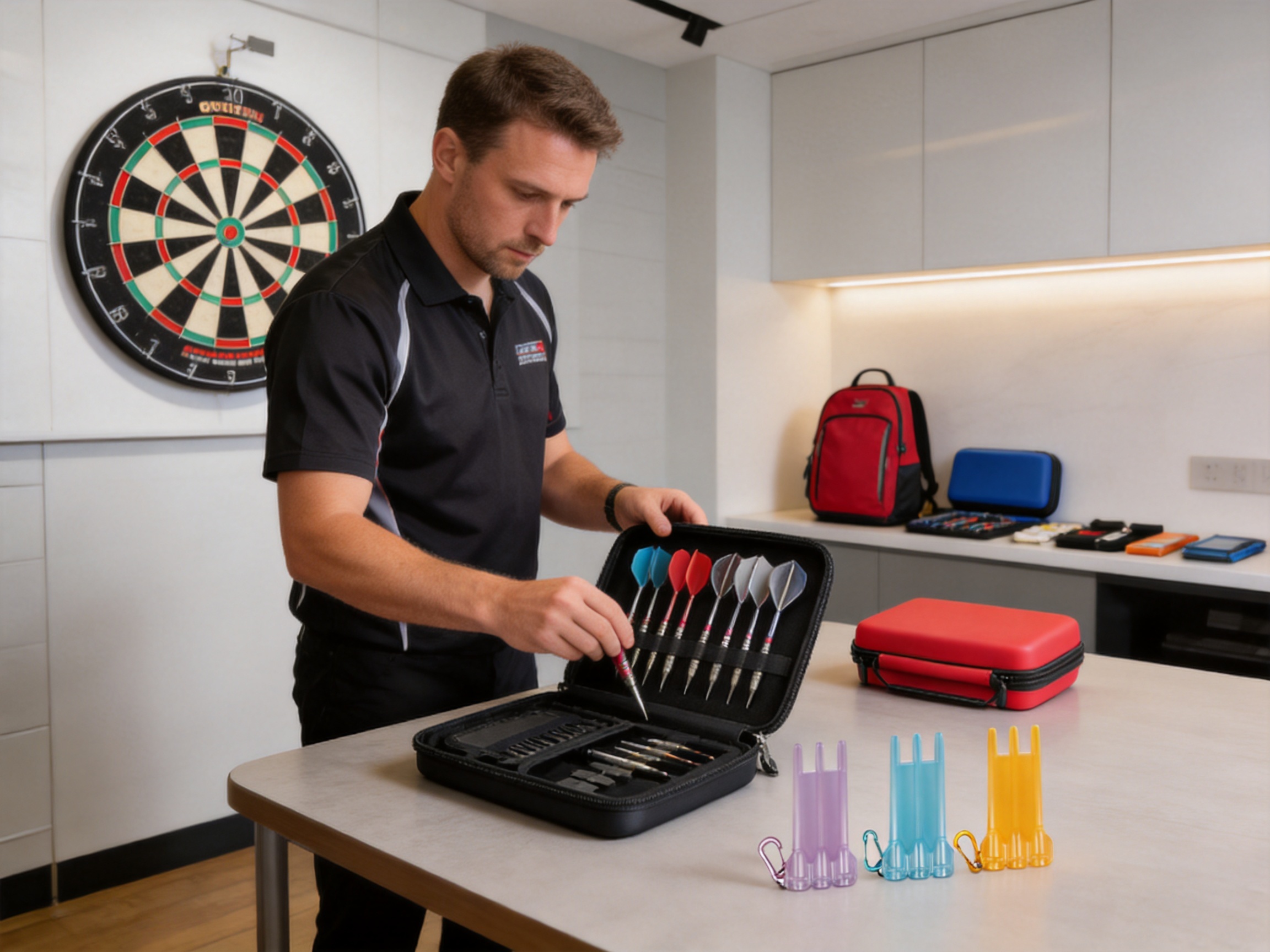
Quality, Consistency, and Order Management
Quality for a storage case includes more than visible appearance. The case should correspond to the approved sample, fit the intended dart configuration, and arrive with the correct logo and packaging. Small inconsistencies can become significant when products are sold under a private label or supplied to a retail chain.
A responsible production approach begins with clearly defined specifications. Buyers should confirm the target dimensions, materials, color references, insert style, logo artwork, packaging format, labeling, and inspection requirements. The more specific the project, the easier it is for the production and quality teams to evaluate the finished result.
In-process monitoring helps identify deviations before a full order is completed. This can be especially useful for customized colors, printed logos, special insert combinations, and new packaging formats. Early correction reduces the risk of discovering a problem only after the products have been packed and shipped.
Finished product testing and inspection provide another control point. Depending on the order specification, inspection may include visual review, size checks, weight checks, closure checks, insert verification, packaging checks, and quantity confirmation. Buyers with specific compliance or market requirements should communicate them before quotation and production.
Warehousing is also part of order execution. A well-organized warehouse supports material availability, finished product storage, and shipment preparation. For international orders, coordination between packing and warehousing is important because the storage case may be shipped as an individual accessory or combined with dartboards and dart sets.
Product Positioning for Wholesalers and Brands
The Dart Storage Case can be positioned in several ways within a commercial product line. As an entry-level accessory, it can add value to a dart set without requiring a major increase in product complexity. As a premium accessory, the hand feel, configurable inserts, and private-label options can support a more refined product presentation.
A wholesaler can offer the case to independent dart shops, sporting goods retailers, online sellers, and clubs. Because the product has a clear functional purpose, it is relatively easy to explain to consumers: it protects flights, keeps darts organized, and makes transportation more convenient. Demonstrating the difference between loose storage and structured storage can help retailers communicate its value.
For e-commerce, product photography and packaging should show the case clearly while listing the compatible use for steel tip and soft tip darts. Buyers may also want information about insert configurations, available colors, logo options, and the intended capacity. Clear product data helps reduce confusion and supports more accurate customer expectations.
For brands, the case can become part of a complete ownership experience. A customer who purchases a dart set may appreciate receiving a matching case that protects the equipment between sessions. A coordinated case can also encourage customers to keep the product rather than replacing it with a generic container.
For clubs and teams, customized cases can support group identity. A shared color scheme and logo can make equipment easy to identify at events. The case can also be used as a practical membership item or tournament gift, offering ongoing utility after the event ends.
Using the Case to Improve Player Convenience
The most important product benefit is not simply that the case holds darts. It is that the case reduces friction in the player's routine. Equipment is easier to find, easier to carry, and easier to prepare. Flights are less likely to be damaged by crowding, and spare components can remain together with the primary set.
Quick access is valuable in practice. A player may want to test a new flight shape, switch shaft lengths, or compare dart weights. With a structured storage system, these components can be arranged before practice begins. The player can then focus on throwing and record the results without repeatedly searching for parts.
The case also supports equipment care. Darts are an investment for many players, especially when they use customized barrels or competition-grade components. Proper storage can help preserve the condition of the set and reduce the chance of accidental loss. While a storage case cannot eliminate all damage risks, it provides a more suitable environment than an unprotected pocket.
For new players, an organized case can make dart ownership easier to understand. Beginners often accumulate spare flights, shafts, and tips as they learn which combinations suit them. Keeping these parts in one place helps them build good equipment habits from the beginning.
Recommendations for Selecting a Configuration
Before ordering, buyers should identify whether the primary users will store complete darts, separated components, or a combination of both. This will influence the preferred insert style. A player who travels with fully assembled darts may prioritize flight clearance, while a retailer selling accessory bundles may need more flexible internal combinations.
The expected sales channel should also be considered. Individual retail sales may require attractive packaging and clear product information. Bulk club orders may emphasize logo placement and efficient packaging. Online sales may require packaging that protects the case during parcel transportation.
Color selection should be reviewed in relation to the overall product range. A neutral color may suit a broad retail audience, while a bold color may be more appropriate for a team or limited edition. If multiple versions are planned, colors can be used to distinguish product tiers or dart formats.
Logo requirements should be confirmed early. Buyers should provide accurate artwork and specify whether the logo should be subtle, prominent, single-color, or integrated with a larger design. A sample or proof can help confirm the final appearance before mass production.
Packaging requirements should include the destination market, labeling language, barcode needs, carton arrangement, and any retailer-specific instructions. Early planning helps align the product with the buyer's logistics and sales process.
Frequently Asked Questions
What types of darts can be stored in this case?
The case is designed for both steel tip and soft tip darts. Buyers should confirm the exact preferred configuration with the supplier, especially when ordering customized inserts or developing a special dart combination.
Does the case help prevent flights from bending?
It is designed to leave extra room around the flights so they are less likely to be compressed in a crowded pocket. Proper storage can help flights remain flat and retain their shape, although the result also depends on how the case is packed and handled.
Can darts remain assembled inside the case?
The product is intended to support practical dart storage, including arrangements that leave space for flights. The best arrangement depends on the dart dimensions, flight type, shaft length, and selected insert combination. Buyers should confirm the desired assembly format before production.
Is the case suitable for tournament travel?
Yes. Its compact format is intended to fit in most gear bags and provide a convenient way to transport darts to league nights, practice sessions, and tournaments. It should be packed appropriately within luggage and kept away from heavy objects that could place excessive pressure on it.
Can the internal inserts be customized?
The product information states that different insert styles and combinations are available. Buyers should discuss the required layout, number of sets, and component arrangement with the manufacturer to identify the most suitable option.
What customization options are available?
Available options include color, weight, logo, and packaging customization. Basic changes are available without minimums according to the supplied information. Final availability should be confirmed based on the requested specification.
Can a small brand order customized cases?
The stated no-minimum policy for basic changes can make the product accessible to smaller brands, clubs, and teams. Buyers should distinguish between basic customization and more complex structural or packaging development when requesting a quotation.
How should a buyer prepare for a private-label order?
The buyer should prepare logo artwork, color requirements, insert preferences, packaging details, product quantities, shipping information, and any market-specific labeling requirements. A complete specification helps the manufacturer provide a more accurate proposal and production plan.
What quality controls are used by the manufacturer?
The company operates an independent QC department covering raw material inspection, in-process monitoring, and finished product testing. Inspection requirements for a specific order should be agreed upon in advance.
Does the manufacturer produce other dart products?
Yes. The company specializes in dartboards, steel tip and soft tip darts, dart assembly, accessories, sisal dartboards, flocked dartboards, magnetic safety structures, and retail-ready packaging. This broader category capability can support coordinated product programs.
Which markets does the company serve?
The company exports to Europe, North America, and the Middle East and works with brand owners, retail chains, and distributors. Buyers should confirm the documentation, packaging, and compliance requirements for their specific destination market.
Conclusion
A dart storage case provides a simple but meaningful improvement to the way players protect, organize, and transport their equipment. The Dart Storage Case is designed around the practical needs of steel tip and soft tip players, with extra room for flights, configurable inserts, and a compact format suitable for home use, league play, practice, and tournament travel.
Its advantages over basic storage solutions include better organization, reduced pressure on flights, more convenient access, and a stronger presentation for retail or private-label programs. The ability to customize color, weight, logo, and packaging gives commercial buyers room to adapt the product to different markets and customer groups.
The product is supported by a specialized manufacturer with long-term experience in the dart category, an approximately 25,000-square-meter production facility, dedicated processing and assembly areas, automation investment, proprietary equipment development, structured warehousing, and an independent quality control department. These capabilities provide a practical foundation for both individual product orders and larger supply programs.
For buyers seeking a dependable dart accessory, the case can function as a standalone product or as part of a complete dart equipment collection. By combining user-focused storage design with flexible customization and category-specific manufacturing experience, it offers a useful solution for players and a commercially adaptable option for wholesalers, distributors, clubs, and private-label brands.
References
1. Product specification and application information for the Dart Storage Case, supplied materials.
2. Manufacturer profile and company capability information for Yiwu Yili Sports Goods Co., Ltd., supplied materials.
3. General principles of dart equipment storage, flight protection, and accessory organization.
4. General quality management practices for sporting goods manufacturing, including incoming material inspection, process monitoring, and finished product verification.
5. General product development considerations for private-label sporting goods, including customization, packaging, branding, and supply planning.
Product: Dart Storage Case

Recommended Products
-
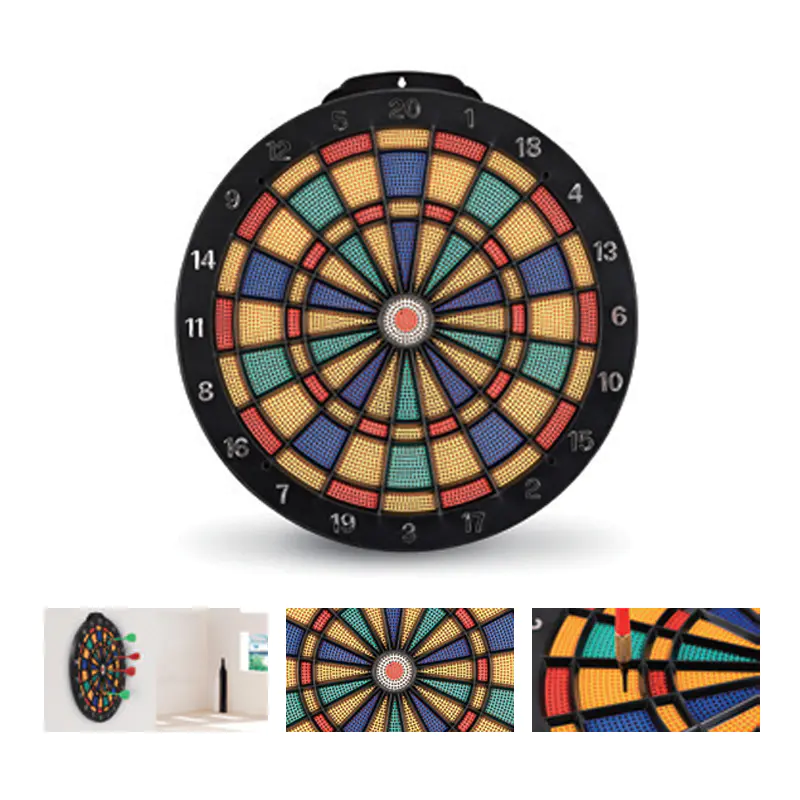


Safety Soft Tip Dartboard Set for Kids and Family Play
-
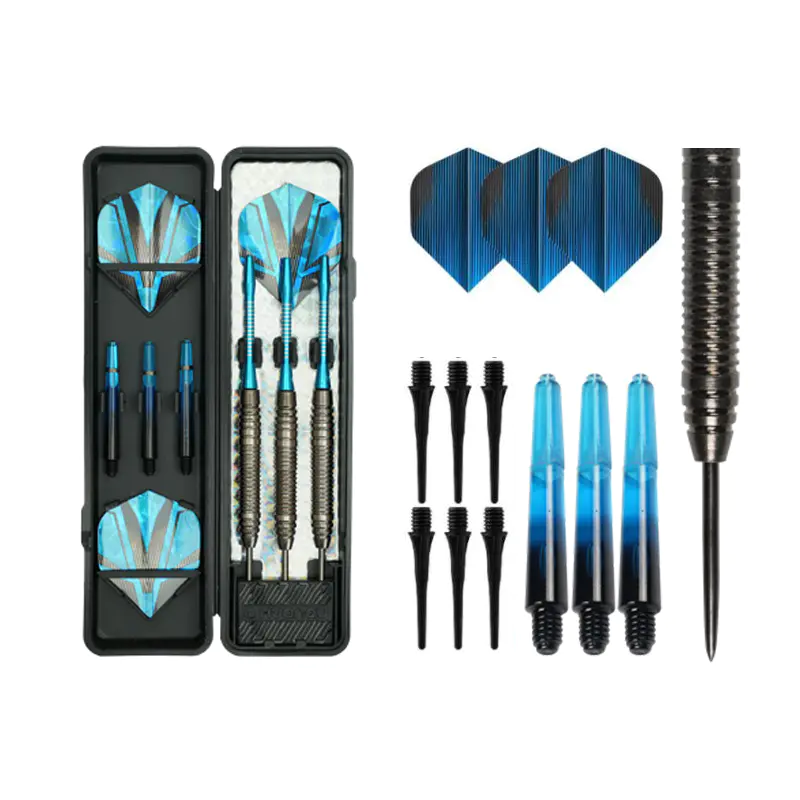
BL-1558 Deluxe Steel Tip Darts with Case and Accessories
-
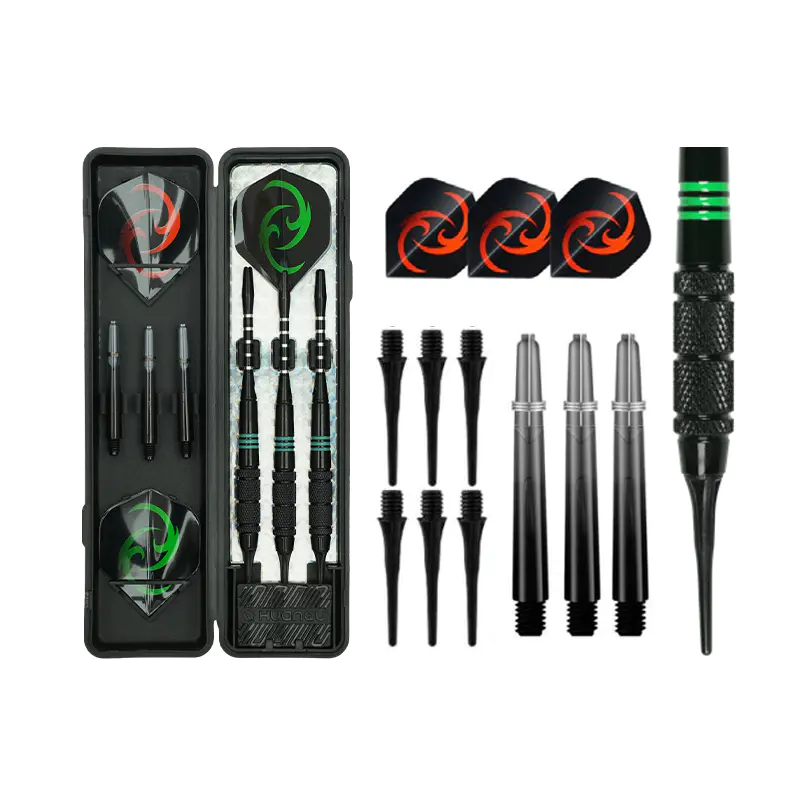
18g Knurled Copper Dart Set with PET Wings and Case
-
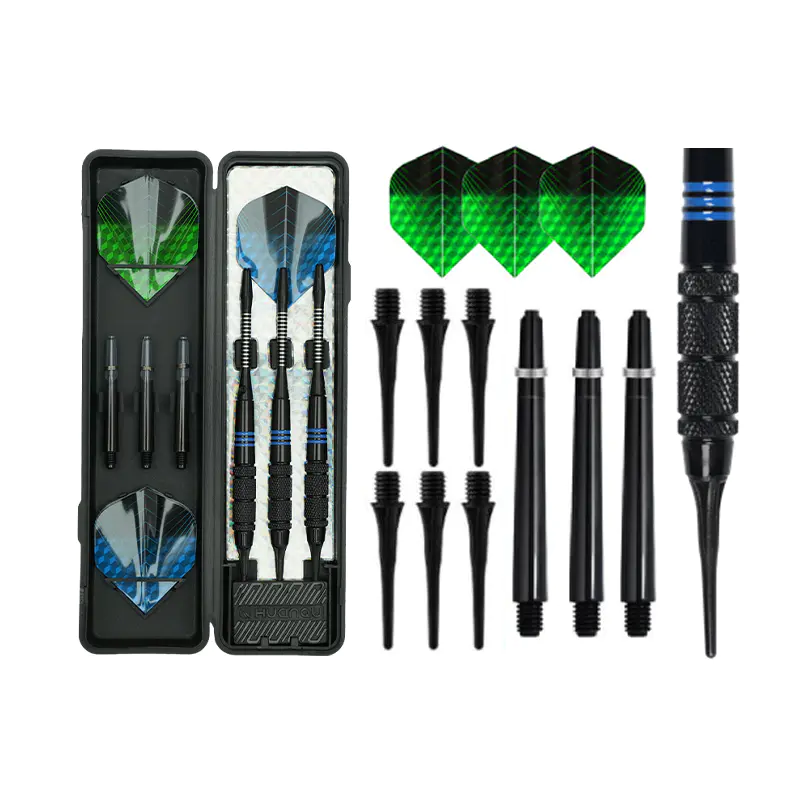
BL-2002 Premium Dart Set with PET Wings and Carrying Case
-
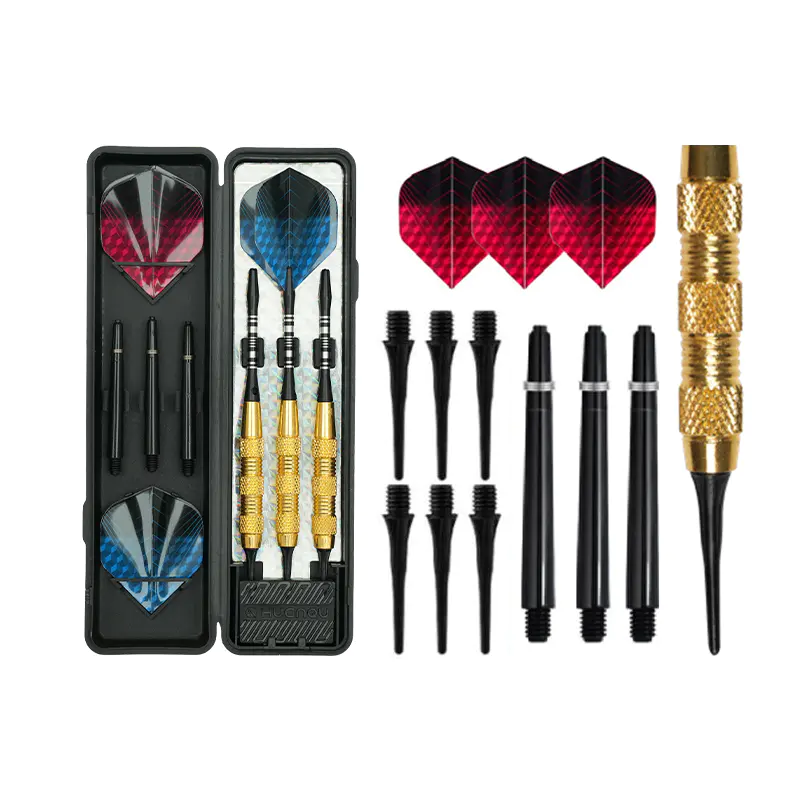
BL-1998 Durable Golden Darts Set with Case and Professional Accessories
-
Portable Two-in-One Magnetic Dartboard for Indoor and Outdoor Play
-

alysa@yilisports.cn
-

+86-15355379817
-

No. 22, Suhe Road, Yibei Industrial Zone, Yiwu City, Zhejiang Province, China
Copyright © 2026 by Yiwu Yili Sports Sports Goods Co., Ltd. Rights Reserved.
