 English
 Français
 Español
 Deutsch

Replacement Steel Dart Tips: Precision, Compatibility, and Reliable Supply for Modern Dart Programs
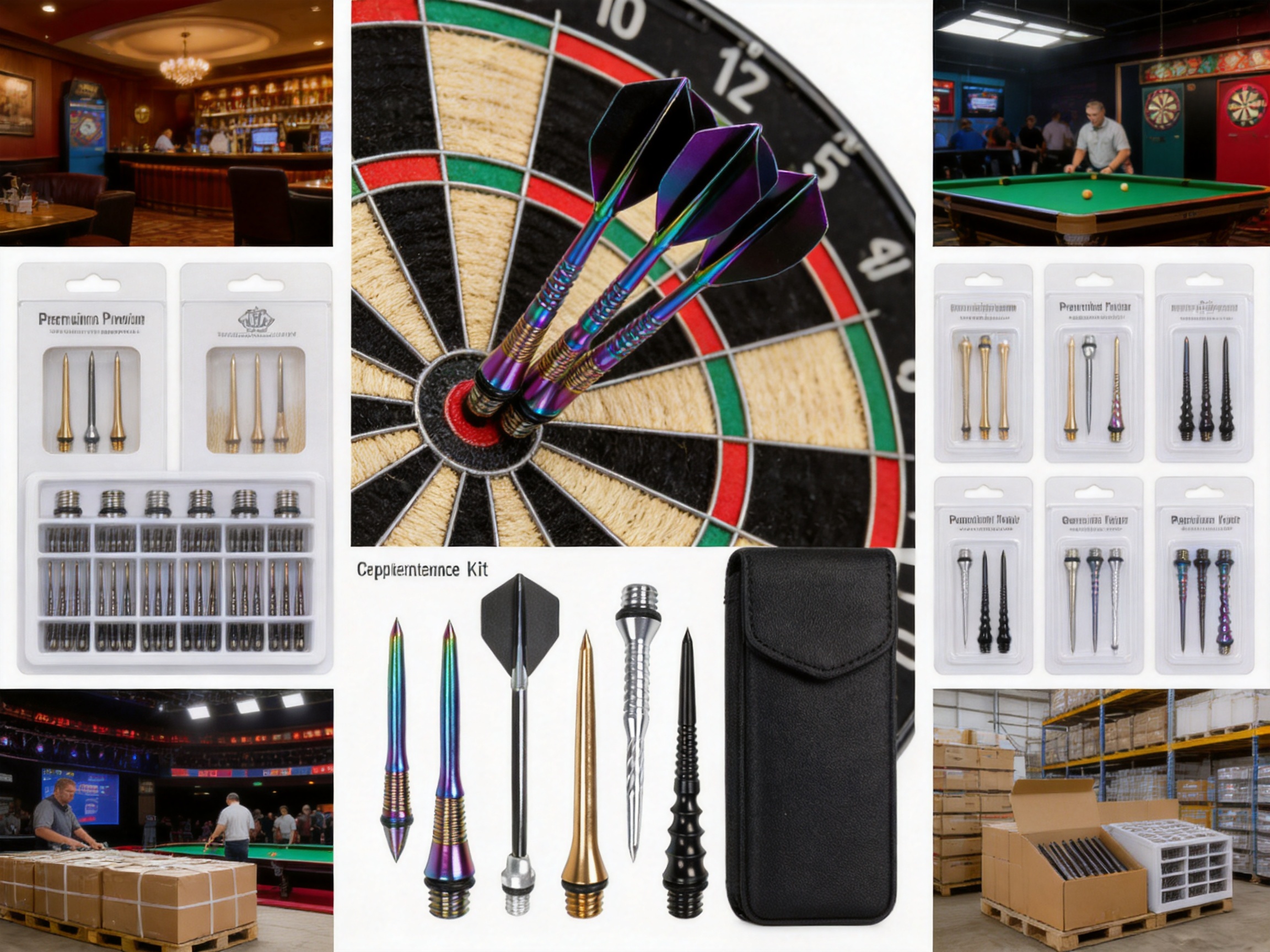
Replacement steel dart tips are small components with a major influence on the performance, service life, and commercial value of steel-tip darts. Screwed into the front of a dart barrel, each tip must penetrate the sisal or bristle surface cleanly, remain secure during repeated throws, and withstand the impact forces created when darts enter the board at different angles. When a tip bends, becomes blunt, loosens, or breaks, the entire dart can become difficult or unsafe to use.
For players, replacement tips provide a practical way to restore a favorite set of darts without purchasing a completely new barrel, shaft, and flight assembly. For wholesalers, retailers, dart brands, tournament organizers, and sporting-goods distributors, replacement steel dart tips represent an important accessory category with repeat-purchase potential. They are compact, easy to package, simple to display, and relevant to both casual and competitive players.
The BL-20 through BL-28 models are designed as a range of replacement steel dart tip profiles. Different models may vary in length, point geometry, surface treatment, threading configuration, or the shape of the area that meets the barrel. Offering multiple profiles allows customers to select a point that matches their preferred dart balance, board conditions, playing style, and replacement requirements.
Yiwu Yili Sports Goods Co., Ltd. manufactures dartboards, steel-tip darts, soft-tip darts, and related accessories for international business customers. Its experience in the dart category, dedicated production facilities, automation investment, quality-control structure, and export capabilities support the production of replacement tips and other dart components for private-label, OEM, and ODM programs.
Why Replacement Steel Dart Tips Matter
A dart tip is the first part of the dart to contact the board. Although it appears simple, it performs several demanding functions at the same time. It must be sharp enough to enter the board with reasonable throwing force, strong enough to resist bending, accurately threaded so that it fits the barrel correctly, and finished consistently so that the point does not create unnecessary board damage.
Steel-tip darts are generally used with sisal or bristle dartboards. These boards are made from compressed natural or synthetic fibers that close around the point after the dart is removed. A properly formed point enters the board smoothly and holds the dart securely. A poorly formed or damaged point may require excessive force, produce unstable penetration, or cause the dart to fall out of the board.
Over time, even a well-made steel tip can experience wear. Repeated impacts may gradually dull the point. A direct hit against a wire, another dart, or a hard surface can bend the tip. Frequent tightening and removal may also affect the threaded connection if tools are used incorrectly. Instead of discarding the complete dart, a player can replace the damaged tip and continue using the same barrel and other components.
This replacement approach offers several benefits:
First, it reduces the cost of maintaining a dart set. A player can replace only the worn component rather than buying a complete new dart.
Second, it preserves familiarity. Players often become accustomed to the weight, grip, and balance of a particular barrel. Replacing the tip allows them to keep the same barrel in service.
Third, it supports customization. A player can test different tip lengths and profiles to change the way the dart enters and sits in the board.
Fourth, it reduces downtime. A spare set of tips in a dart case can restore a damaged dart during a league match, tournament, or practice session.
Finally, replacement tips create a practical after-sales product for retailers and dart brands. Customers who purchase steel-tip darts may later need spare points, making replacement tips a natural companion product.
Understanding the BL-20 to BL-28 Tip Range
The BL-20 to BL-28 range represents several replacement steel dart tip configurations rather than one single universal shape. The exact difference between each model should be confirmed through a technical specification sheet, sample evaluation, or customer-approved drawing. In a professional supply program, model identification is important because even small differences can affect dart balance, penetration, appearance, and customer preference.
Possible areas of variation within the range include overall point length, tip diameter, shoulder shape, threaded section, grip area, and surface finish. Some players prefer a longer tip because it can create a different front-to-back balance and may provide additional space between the barrel and the board. Other players prefer a shorter tip for a compact feel and a more direct connection between the barrel and the board.
Point geometry may also vary. A standard cone is a familiar choice for general-purpose steel-tip darts. A more aggressive point may be selected by players who want strong board penetration or a specific visual appearance. A rounded or less aggressive shape may be preferred for a smoother handling experience or a particular board condition.
The area close to the barrel can also be designed for practical handling. A smooth section may support a clean, minimal appearance. Grooved or textured sections can make it easier to tighten or remove a tip with an appropriate tool. The correct design depends on the intended use, customer expectations, and compatibility with the dart barrel.
| Design factor | Possible variation | Potential effect on use | Commercial relevance |
|---|---|---|---|
| Overall length | Short, medium, or extended point | May influence balance, spacing, and board entry | Allows brands to offer multiple player preferences |
| Point profile | Standard cone, sharper profile, or rounded profile | May affect penetration and visual character | Supports product differentiation |
| Surface finish | Natural steel or black-coated finish | Influences appearance and perceived product style | Useful for coordinated private-label collections |
| Grip area | Smooth, grooved, or textured section | Can assist installation and removal | Improves usability and accessory presentation |
| Thread configuration | Barrel-specific threaded connection | Determines compatibility and secure fitting | Requires accurate product information and sampling |
For distributors and brand owners, the most important point is that replacement tips should not be presented as universally compatible unless compatibility has been verified. Thread dimensions and internal barrel structures may differ between manufacturers or product series. A professional supplier should provide samples, dimensional data, and clear installation guidance before a large production order is approved.
Material and Functional Advantages
Replacement steel dart tips are made from hardened steel or another steel grade selected for strength, machinability, and wear resistance. The material must tolerate the stresses associated with repeated impact while still allowing the tip to be formed accurately. Manufacturing begins with suitable raw material, but finished performance depends on the complete process, including machining, shaping, hardening, finishing, inspection, and packaging.
Compared with low-quality points made from inconsistent or insufficiently treated material, properly manufactured replacement tips offer more dependable service. A consistent steel structure helps reduce the likelihood of premature bending. Accurate heat treatment helps create an appropriate balance between hardness and toughness. Excessive hardness without sufficient toughness can make a point brittle, while insufficient hardness may allow the tip to deform more easily.
Another advantage is dimensional consistency. The point must be manufactured within controlled tolerances so that it fits the dart barrel correctly and maintains a consistent appearance across a set. A thread that is too loose may allow the point to move during play. A thread that is too tight may be difficult to install and could damage the barrel if excessive force is used.
The point should also have a clean transition between the tip and the threaded or gripping section. Sharp burrs, irregular shoulders, or uneven finishing can affect installation and may reduce the perceived quality of the product. Proper deburring and surface treatment create a smoother component that is easier to handle and more suitable for retail presentation.
Natural steel and black-coated finishes provide different product identities. Natural steel offers a traditional technical appearance and can be suitable for classic dart collections. A black-coated point may coordinate with black barrels, dark flights, or modern performance-oriented packaging. The choice of finish can therefore support both functional positioning and visual merchandising.
Performance Benefits for Players
The main performance benefit of a replacement steel tip is restored functionality. Once a damaged point is removed and a suitable replacement is installed, the dart can return to normal use. This is especially valuable when the player prefers the existing barrel and does not want to change the complete setup.
A sharp, accurately shaped point can enter a sisal board with less unnecessary resistance than a severely worn point. Clean penetration may help the dart remain in the board and may reduce the need for excessive throwing force. The result is a more predictable practice or match experience.
Point length can also influence the overall feel of a dart. A longer replacement tip may shift the balance slightly toward the front and create a different relationship between the barrel and the board. A shorter tip may provide a more compact profile. These differences are subtle, but experienced players may notice them during grip, release, and grouping.
Players who group darts closely may also value replacement points that help reduce damage to other darts. No point can eliminate the effects of hard impacts, but a properly finished tip may reduce unnecessary burrs and irregular edges that can scratch or interfere with neighboring darts. Point maintenance should still be combined with responsible play and regular inspection.
Reliable replacement tips also improve confidence. A player who knows that spare points are available is less likely to stop a practice session or withdraw from a match because of one damaged dart. League competitors often carry replacement points in their dart case for this reason. Retailers can promote this practical benefit by selling tips as an essential maintenance accessory rather than an optional add-on.
Advantages Over Generic Low-Cost Alternatives
The replacement-tip market includes products with different levels of manufacturing control. Very low-cost generic tips may appear attractive at the purchasing stage, but they can create problems when dimensions, hardness, finish, or packaging are inconsistent. These problems may result in customer complaints, returns, poor reviews, and difficulty maintaining a consistent product range.
A professionally organized product line offers several advantages over unverified alternatives. The first is model clarity. The BL-20 to BL-28 range can be organized into identifiable configurations, allowing customers to reorder the same model rather than relying on an uncertain visual match.
The second advantage is process control. A manufacturer with dedicated production systems can establish defined procedures for raw-material inspection, machining, heat treatment, finishing, thread inspection, and final packing. These procedures improve the likelihood that each production batch meets the approved sample.
The third advantage is supply continuity. Replacement accessories are most useful when they remain available after the original dart set has been sold. A manufacturer with long-term experience and structured production planning is better positioned to support repeat orders, private-label programs, and ongoing retail supply.
The fourth advantage is customization. Generic products are often limited to standard packaging and a small number of shapes. A specialized dart manufacturer can work with customers on model selection, finish, packaging, labeling, assortment planning, and coordinated product development.
The fifth advantage is category knowledge. A company focused on dartboards, darts, and related accessories is more likely to understand the relationship between tips, barrels, shafts, flights, boards, and retail packaging. This category focus can support more practical recommendations than a general metal-component supplier with no dart-specific experience.
| Evaluation area | Unverified generic supply | Structured dart-component program |
|---|---|---|
| Model identification | May rely on informal descriptions or mixed stock | Uses defined model numbers and approved samples |
| Dimensional control | May vary between batches | Can be managed through inspection standards and production records |
| Material consistency | May be difficult to confirm | Supported by raw-material and process-control procedures |
| Finish options | Often limited to one standard appearance | May include natural steel and black-coated versions |
| Packaging | Generic or inconsistent | Can be developed for retail, wholesale, or private-label use |
| After-sales support | May be limited | Can include samples, specifications, and repeat-order coordination |
Advanced Manufacturing Capabilities
Yiwu Yili Sports Goods Co., Ltd. operates as a specialized dart manufacturer with experience extending across dartboards, darts, assemblies, and related accessories. The company’s manufacturing system covers approximately 25,000 square meters and includes areas for component processing, assembly, packaging, and warehousing.
For replacement steel dart tips, this kind of dedicated layout is valuable because production involves more than basic metal forming. Components must move through multiple stages in an organized sequence. Raw material must be received and checked. Parts must be machined or formed to the approved design. Surface treatment must be completed consistently. Finished tips must be inspected, counted, packed, and stored for shipment.
A structured facility supports better workflow between these stages. It can reduce unnecessary handling, improve batch identification, and make production planning more efficient. Dedicated areas for packaging and warehousing are also important for export orders because accessories may be supplied in different quantities, packaging formats, and language versions.
The company has invested in automation and proprietary equipment development to improve production efficiency and reduce manual variation. Automation is especially useful for repetitive operations that require consistent positioning, feeding, forming, or inspection. When a product is manufactured in large quantities, small manual differences can accumulate and affect the final result. Automated or semi-automated processes help create more repeatable output.
Automation does not replace quality management. Instead, it works together with trained operators, production instructions, equipment maintenance, and inspection procedures. A successful manufacturing program combines machine consistency with human oversight. Operators monitor equipment condition, identify unusual output, and ensure that production continues according to approved specifications.
The company’s independent QC department oversees raw-material inspection, in-process monitoring, and finished-product testing. This three-stage approach is appropriate for small precision components. Checking only the final product may identify defects too late. Early inspection helps prevent unsuitable material or incorrect setup from continuing through the entire batch.
In-process monitoring can include visual inspection, dimensional checks, thread verification, point-shape review, surface-finish assessment, and sampling at defined production intervals. Finished-product inspection can confirm quantity, packaging accuracy, appearance, and compliance with the approved sample.
For B2B customers, the value of this system extends beyond one shipment. A repeatable process makes it easier to maintain consistency across repeat orders and to support private-label products that must look and perform the same from one season to the next.
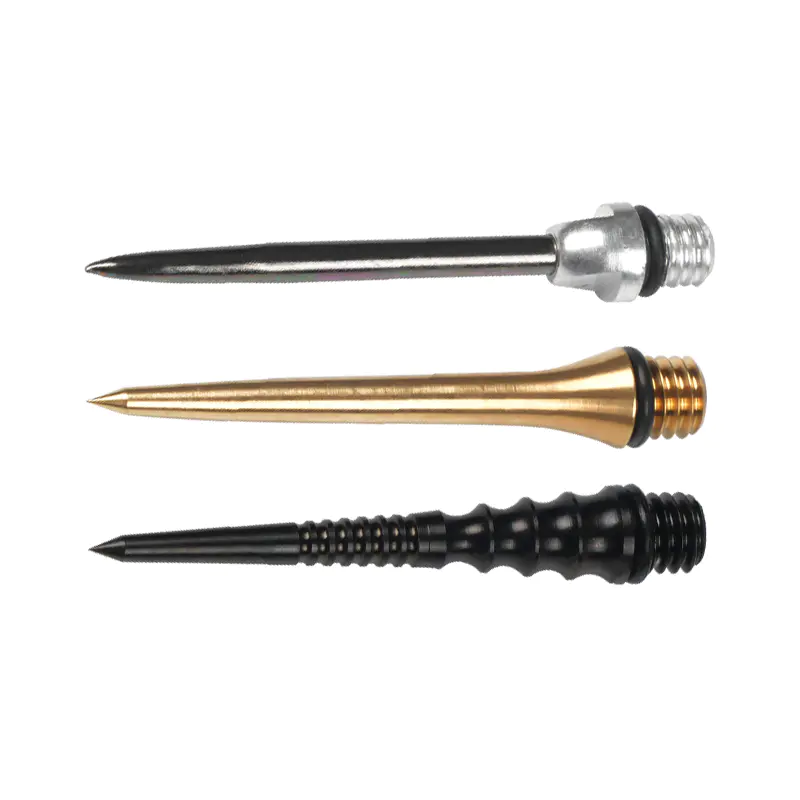
Replacement Steel Dart Tips
Quality Control for Replacement Tips
Quality control for replacement steel dart tips should address both measurable specifications and practical playing performance. The exact inspection plan depends on the model and customer requirements, but several areas are generally important.
Raw-Material Inspection
Material inspection confirms that the steel used for production is suitable for the intended application. Relevant considerations may include material type, dimensions, surface condition, and supplier documentation where required. Consistent raw material supports consistent machining and heat treatment.
Dimensional Inspection
Dimensions should be checked against approved drawings or samples. Important dimensions may include overall length, point diameter, threaded-section size, shoulder dimensions, and any grooves or grip features. Even if a tip looks correct, a small dimensional error can affect barrel compatibility.
Thread Inspection
The threaded connection is one of the most important functional areas. Threads should be formed cleanly and checked for correct fit. Inspection may use suitable gauges, reference barrels, or other approved tools. The goal is to ensure that the tip can be installed securely without excessive looseness or force.
Point and Surface Inspection
The point should be straight, clean, and free from excessive burrs. The transition from the point to the body should be consistent. Coated versions should have even coverage and an acceptable appearance. Surface defects such as flaking, sharp edges, or obvious discoloration should be identified before packing.
Hardness and Durability Evaluation
Where required by the product specification, hardness testing and practical durability checks can help confirm that the tip has an appropriate balance of strength and toughness. A point should resist normal bending and wear without becoming unnecessarily brittle.
Packaging Inspection
Packaging inspection confirms that the correct model, quantity, label, and finish are included. This is particularly important when several similar models are produced in the same facility. Accurate packing protects the customer from mixed inventory and supports efficient warehouse management.
Compatibility and Installation Considerations
Replacement tips should be selected according to the barrel and thread specification. Before placing a large order, customers should confirm compatibility with the intended dart series. A sample-fitting process is recommended because different dart manufacturers may use different thread standards or internal designs.
Installation should be performed carefully. The damaged tip can be removed with an appropriate dart point tool or approved gripping method. The replacement tip should be aligned with the barrel and tightened securely, but excessive force should be avoided. Over-tightening may damage the threads or make future replacement difficult.
Players should inspect the new tip before installation. The point should be straight, the threaded section should be clean, and there should be no visible cracks or severe surface defects. If a tip does not fit smoothly, it should not be forced into the barrel. The player or retailer should verify the model and compatibility instead.
After installation, the dart should be tested on an appropriate sisal or bristle board. The player can check whether the tip enters the board cleanly, whether the dart remains secure, and whether the overall balance feels acceptable. A short practice session is recommended before using a newly changed configuration in a competition.
Regular maintenance can extend the useful life of replacement tips. Players should avoid throwing darts at hard flooring or walls, should retrieve darts carefully, and should inspect points after accidental impacts. A point that begins to bend should be replaced rather than repeatedly straightened, because repeated deformation may weaken the material.
Application Scenarios
Replacement steel dart tips are suitable for a broad range of playing and commercial environments.
Home Game Rooms
Home users often want to maintain one or more dart sets for regular practice and entertainment. A small pack of replacement tips allows family members or guests to continue playing when a point is damaged. Retailers can present these packs near dartboards, complete dart sets, or beginner accessories.
Pubs and Hospitality Venues
Pubs and entertainment venues experience frequent dart use. Darts may be handled by many players with different throwing habits, increasing the possibility of bent or worn tips. Venue operators can keep replacement tips as part of a basic equipment-maintenance kit.
League and Club Play
League players usually rely on familiar equipment and may not want to change a complete dart set during a match. Spare tips stored in a dart case can help minimize interruption. Clubs can also purchase replacement tips in bulk for member support and equipment maintenance.
Tournaments and Competition Venues
Tournament organizers may stock replacement tips for players who experience equipment damage during an event. A reliable supply of clearly identified models can help event staff respond quickly. Retail booths at tournaments can also sell tips as a practical accessory to participants.
Retail and Private-Label Programs
Dart brands and sporting-goods retailers can add replacement tips to a broader product assortment. Packs may be offered in different quantities, finishes, and model combinations. Private-label packaging can coordinate the accessory with a brand’s complete dart collection.
Training Centers and Commercial Facilities
Dart academies, clubs, and entertainment centers may require regular replacement of consumable or wear-prone components. A scheduled purchasing program can reduce the risk of equipment shortages and simplify inventory planning.
Customization Options for B2B Customers
One of the strongest advantages of working with a specialized manufacturer is the opportunity to develop a product that fits a specific market position. Replacement steel dart tips can be customized at several levels, depending on order quantity, tooling requirements, and technical feasibility.
Length selection is one of the most visible options. A brand may choose to offer short, standard, or extended points. The decision can be based on player feedback, target price, compatibility, or the desired balance of the complete dart.
Point geometry can also be customized. A standard cone supports a familiar mainstream product. A sharper or more aggressive profile may appeal to performance-focused players. A rounded profile may be selected for a softer visual identity or a particular product concept. Any geometry should be evaluated through samples to confirm actual board performance.
Surface finish provides another opportunity. Natural steel can communicate a traditional and functional appearance. Black-coated points can support a modern or premium visual theme. Customers may also coordinate the finish with barrel color, packaging graphics, and the appearance of shafts and flights.
Grip details near the barrel can be smooth, grooved, or otherwise textured. These details may influence installation convenience and product appearance. The selected design should remain comfortable to handle and should not introduce unnecessary sharp edges.
Packaging can be developed for different channels. Bulk industrial packaging may be suitable for assembly operations or large distributors. Small retail cards, boxes, tubes, or pouches may be better for sporting-goods stores and e-commerce fulfillment. Packaging can include model numbers, quantity, compatibility information, installation guidance, safety notes, and private-label branding.
Assortment design is also possible. A customer may want one model per package, a mixed selection of BL-20 to BL-28 profiles, or a replacement kit containing tips and installation tools. A manufacturer with dart-category experience can help organize the assortment around customer needs and expected retail price points.
OEM and ODM Support
OEM customers typically provide brand requirements while the manufacturer produces the approved item and packaging. ODM customers may use an existing model as a starting point and request modifications to dimensions, finish, packaging, or assortment. Both approaches can be used for replacement steel dart tips.
A professional development process normally begins with a product brief. The brief should identify the intended dart barrel, target market, model range, preferred finish, packaging format, estimated order quantity, and any required testing or documentation.
The next stage is sample confirmation. Samples allow the customer to check dimensions, thread fit, point appearance, board entry, balance, and packaging presentation. If changes are needed, the specification can be adjusted before mass production.
After approval, the manufacturer can prepare production instructions and quality requirements. These may include reference samples, drawings, color or finish standards, inspection points, packing quantities, and labeling details. Clear approval records help reduce misunderstandings during repeat orders.
For international customers, communication and export coordination are also important. Yiwu Yili Sports Goods Co., Ltd. serves customers in Europe, North America, and the Middle East. Its established export procedures and structured production system support the handling of international orders, documentation, packaging requirements, and shipment planning.
OEM and ODM customers should discuss minimum order quantities, tooling or development charges, lead times, sample charges, packaging artwork, inspection standards, and shipping terms at the beginning of the project. Clear commercial planning helps ensure that the final product is technically suitable and commercially viable.
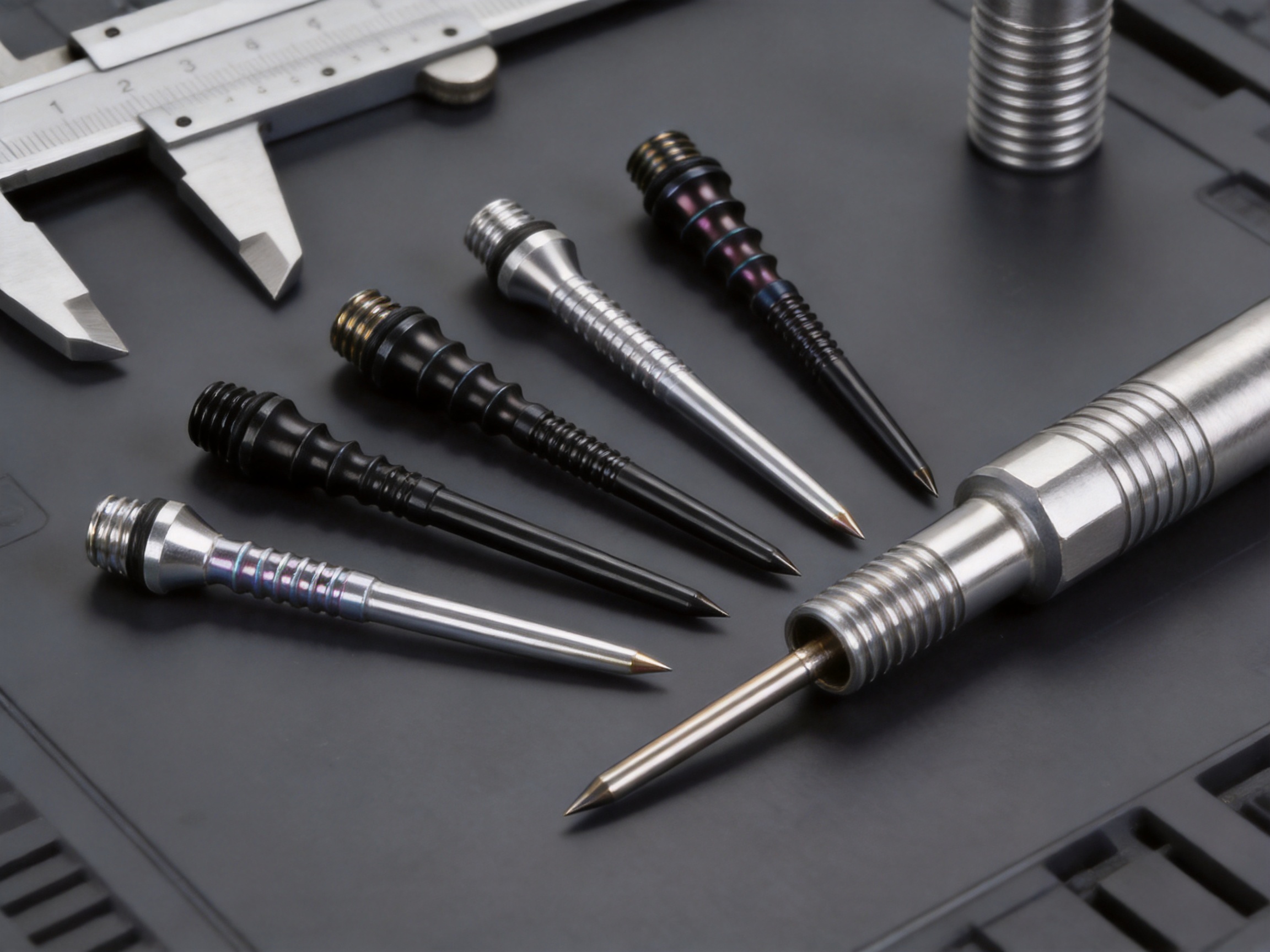
Manufacturing Strengths of a Specialized Dart Supplier
Yiwu Yili Sports Goods Co., Ltd. focuses specifically on dart-related product categories. Its product scope includes sisal dartboards, flocked dartboards, magnetic safety structures, dart assembly, and retail-ready packaging. This specialization creates a product-development environment in which individual accessories can be considered as part of a complete dart system.
The company was founded in 1993 and established an overseas sales network in 1995. It built a new factory in 2001, launched a sisal dartboard production line in 2017, introduced multiple automated production lines through independent research and development in 2023, and expanded into a new production facility in 2024.
This development history indicates long-term involvement in the dart category rather than short-term production of unrelated sporting products. Such experience can be valuable when customers need assistance with product structure, material selection, assembly relationships, quality expectations, and packaging design.
The company has also been designated as a standard-setting enterprise for dart production. Customers should still define their own specifications and approval criteria, but this background supports the company’s position as an experienced participant in the industry.
Continuous equipment development can improve manufacturing efficiency and reduce variation. For replacement steel tips, this may support more stable output across machining, finishing, and packing operations. Automation can also help the company respond to larger orders while maintaining an organized production flow.
The independent QC department provides another important strength. A dedicated quality function creates a clear responsibility for inspection and process monitoring. For B2B buyers, this can make communication more direct when discussing inspection reports, approved samples, corrective actions, and repeat-order consistency.
Packaging and Merchandising Strategy
Replacement tips are small enough to be sold in compact packages, but the packaging should communicate essential information clearly. Customers need to know the model, quantity, finish, intended application, and compatibility limitations. A well-designed package can reduce confusion between similar point profiles.
Retail packaging may include a transparent window or product image so buyers can see the tip shape. It may also include a short explanation of replacement use, a warning that compatibility should be verified, and basic installation instructions. For e-commerce, high-quality product photographs and clear model descriptions are particularly important.
Bulk packaging is useful for distributors, assembly factories, clubs, and commercial venues. Bulk packs can reduce packaging cost and simplify warehouse handling. However, model identification should remain clear through labels, internal bags, carton markings, or barcode systems.
Private-label customers can coordinate replacement-tip packaging with their complete dart range. Consistent colors, typography, model naming, and product photography help create a professional brand family. A retailer may offer a basic point pack, a premium coated point pack, and a mixed maintenance kit under the same visual identity.
Merchandising can place replacement tips beside steel-tip darts, dartboards, point tools, flights, shafts, and carrying cases. This encourages customers to view tips as part of normal dart maintenance. A replacement accessory display may also increase the average transaction value without requiring significant shelf space.
Inventory Planning for Distributors
Distributors should plan inventory according to the needs of their target customers. The most popular model may be the standard profile, while longer or more specialized profiles may sell more slowly but serve an important niche. A balanced assortment can include several BL models rather than relying on one point design.
Forecasting should consider complete dart sales, seasonal promotions, league schedules, tournament calendars, and regional playing preferences. Replacement tips are often purchased after a customer already owns darts, so repeat demand may be connected to the installed customer base rather than only to new product launches.
Stock rotation is easier when each model has clear packaging and a consistent identification system. Distributors should maintain records for model number, finish, package quantity, supplier batch, and purchase date. These records assist with reordering and customer service.
For large programs, buyers may request pre-shipment inspections or batch samples. The inspection criteria should be agreed in advance. Typical checks may include quantity, model accuracy, dimensions, thread fit, appearance, straightness, coating quality, and packaging condition.
Because replacement tips are compact, they can often be shipped efficiently. Nevertheless, packaging must protect the points from mixing, scratching, moisture, and damage during transport. Carton design should match the order quantity and distribution method.
Responsible Product Communication
Marketing language for replacement steel dart tips should be accurate and easy for customers to understand. Claims should be based on confirmed specifications, test results, or approved production standards. It is preferable to describe the tips as hardened steel, machined, or designed for sisal and bristle boards when those statements reflect the product specification.
Compatibility should be communicated carefully. If a tip is intended for a defined barrel system, the package should state that information. If compatibility varies by manufacturer, customers should be advised to confirm thread fit before ordering. Avoiding unsupported universal claims can reduce returns and improve customer confidence.
Safety information should explain that steel-tip darts are pointed sporting equipment and should be handled responsibly. Tips should be stored away from children, installed with suitable tools, and used only with an appropriate dartboard and playing environment. Damaged tips should be replaced rather than used indefinitely.
For professional and retail customers, transparent communication is an advantage. Clear specifications, samples, packaging approvals, and inspection procedures create a stronger foundation for long-term cooperation than vague performance claims.
How to Select the Right Replacement Tip
Selection begins with the dart barrel. The player or buyer should identify the compatible thread and confirm that the replacement model is intended for that barrel. If the original tip is available, it can be compared with the proposed replacement in terms of length, shoulder shape, and threaded section.
The next consideration is playing preference. Players who prefer a forward-weighted feel may test a longer tip, while those who prefer a compact configuration may choose a shorter model. The difference may be modest, so sample testing is useful.
Board type and condition should also be considered. A properly maintained sisal or bristle board generally accepts a quality point cleanly. Very hard, dry, or damaged boards can increase wear on points. Regular board rotation and maintenance can help extend the service life of both the board and the dart tips.
Finish is mainly a visual and product-positioning choice, although coating quality should still be considered. Natural steel is suitable for classic designs. Black-coated points may coordinate with modern dart collections. Customers should check that the coating remains intact and does not interfere with thread fit.
Finally, buyers should select an appropriate quantity. Individual players may need a small maintenance pack. Clubs, pubs, retailers, and tournament organizers may prefer multi-piece or bulk packaging. A supplier can provide several package formats for different sales channels.

Q&A: Replacement Steel Dart Tips
What are replacement steel dart tips used for?
They replace damaged, bent, dull, worn, or broken points on steel-tip darts. They are intended for use with suitable sisal or bristle dartboards and compatible dart barrels.
Can a replacement tip restore an entire dart?
A replacement tip can restore the functional point of a dart when the barrel and other components remain in good condition. It does not repair damage to the barrel, shaft, flight, or other parts.
Are the BL-20 to BL-28 models identical?
No. They represent different model configurations. Differences may include length, profile, grip details, finish, or other design characteristics. The exact specifications should be confirmed through the supplier’s technical information and approved samples.
Are these tips compatible with every steel-tip dart barrel?
Compatibility should not be assumed. Thread specifications can differ between dart manufacturers and product series. Buyers should confirm the thread and test a sample before placing a large order.
What causes a dart tip to bend?
Common causes include direct impact with another dart, contact with a board wire, falling onto a hard surface, excessive throwing force, or long-term repeated use. A bent tip should be replaced promptly.
Is a black-coated tip better than a natural steel tip?
Neither finish is automatically better for every player. Natural steel offers a traditional appearance, while black coating can support a modern visual style. The important considerations are coating quality, point geometry, compatibility, and the player’s preference.
How should a replacement tip be installed?
Use an appropriate point tool or approved gripping method. Align the thread carefully and tighten the tip securely without applying excessive force. If the tip does not fit smoothly, stop and verify compatibility.
Why is thread accuracy important?
Thread accuracy affects how securely the tip fits into the barrel. A loose connection may move during play, while an overly tight or damaged thread may be difficult to install and remove.
Can a player change tip length to alter dart balance?
Yes, changing tip length may slightly alter the dart’s front-to-back balance and overall feel. Players should test different lengths during practice before using a new configuration in competition.
What quality checks should buyers request?
Buyers may request information about raw-material control, dimensional inspection, thread checking, point straightness, surface finish, hardness or durability evaluation, packing accuracy, and batch consistency.
Can replacement tips be private labeled?
Yes. Depending on order requirements, private-label programs may include branded packaging, model naming, finish selection, product assortment, labels, and retail presentation.
What packaging formats are available?
Possible formats include individual retail packs, multi-piece packs, bulk bags, cartons, maintenance kits, and custom private-label packaging. The best format depends on the sales channel and customer quantity requirements.
Who can purchase these products?
Potential customers include dart brands, sporting-goods wholesalers, retailers, clubs, pubs, tournament organizers, entertainment venues, and manufacturers assembling complete dart products.
Why work with a specialized dart manufacturer?
A specialized manufacturer understands the relationship between dart points, barrels, shafts, flights, boards, assembly, and packaging. This category knowledge can support more practical development, sourcing, quality control, and after-sales coordination.
Conclusion
Replacement steel dart tips are essential maintenance components that extend the useful life of steel-tip darts and support a more flexible playing experience. Their value comes from more than a sharp point. Consistent material, accurate machining, reliable threading, suitable hardness, clean finishing, and correct packaging all contribute to the final product.
The BL-20 to BL-28 range provides a foundation for offering different tip profiles, lengths, finishes, and handling characteristics. Players can select a configuration that suits their equipment and preferences, while retailers and distributors can build an accessory assortment for home users, leagues, clubs, pubs, tournaments, and professional customers.
For B2B buyers, manufacturing capability is as important as product design. Yiwu Yili Sports Goods Co., Ltd. combines long-term dart-category experience with a large structured facility, automation investment, proprietary equipment development, independent quality control, export experience, and OEM/ODM support. These strengths can help customers develop reliable replacement-tip programs rather than relying on inconsistent generic supply.
With accurate compatibility information, approved samples, controlled production, suitable packaging, and responsible product communication, replacement steel dart tips can become a dependable component of a complete dart product portfolio. They provide practical value to players and recurring commercial opportunities to brands, distributors, and retailers worldwide.
References
1. Product information supplied for the BL-20 to BL-28 Replacement Steel Dart Tips range.
2. Company information supplied for Yiwu Yili Sports Goods Co., Ltd., including manufacturing facilities, quality-control procedures, product categories, and company development history.
3. General technical principles for steel-tip darts, sisal dartboards, threaded dart components, point maintenance, and sporting-goods accessory packaging.
4. General manufacturing references concerning raw-material inspection, machining control, heat treatment, surface finishing, thread inspection, and finished-product quality management.
Product: Replacement Steel Dart Tips

Recommended Products
-



Safe Double-Sided Magnetic Dart Board for Kids and Adults
-
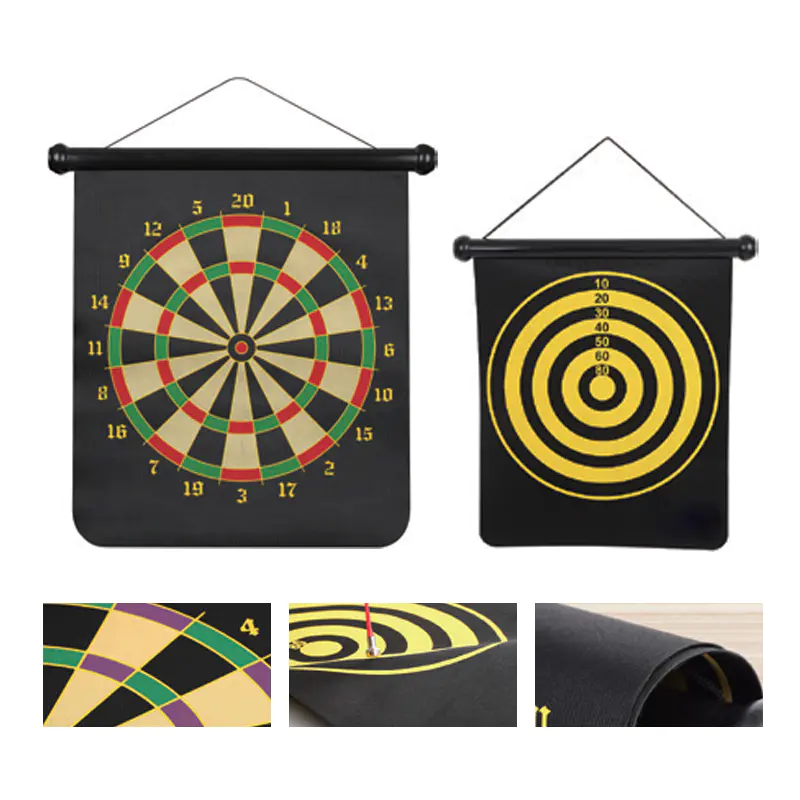
Double-Sided Roll-Up Kids Dartboard Set for Indoor and Outdoor
-
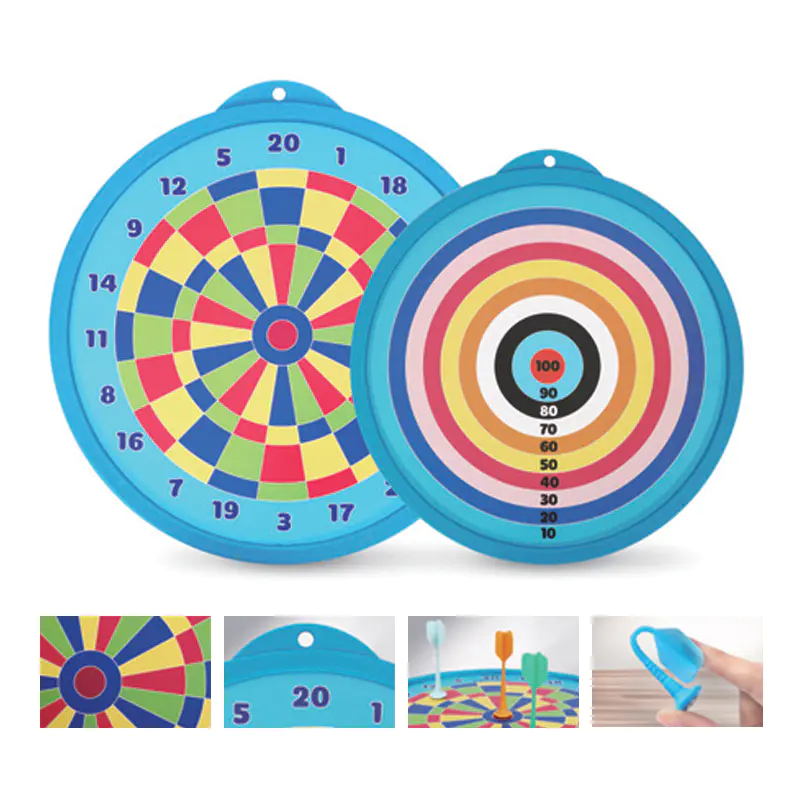
Portable Two-in-One Magnetic Dartboard for Indoor and Outdoor Play
-
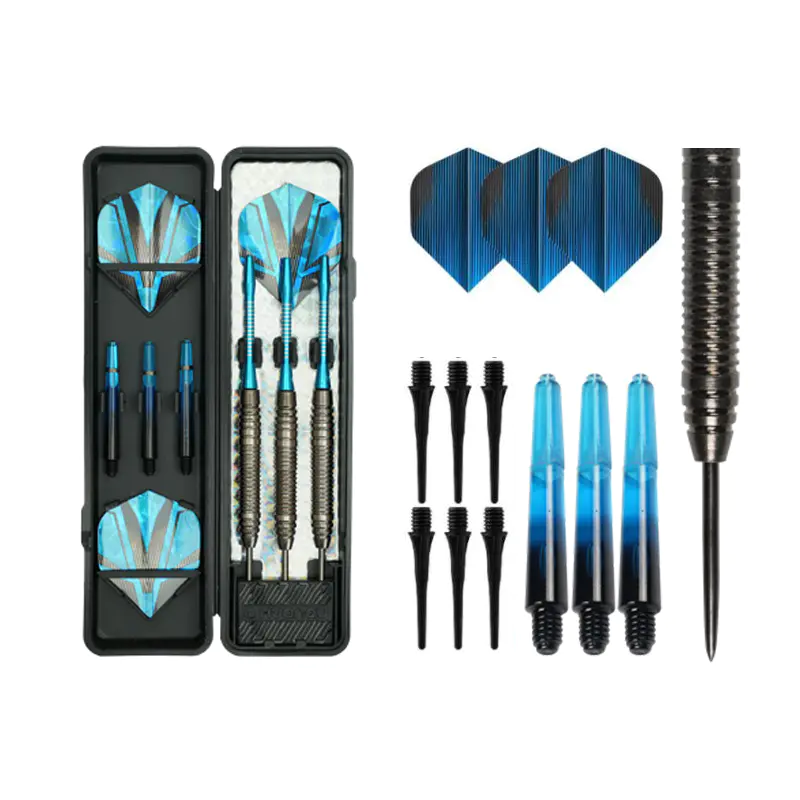
BL-1558 Deluxe Steel Tip Darts with Case and Accessories
-
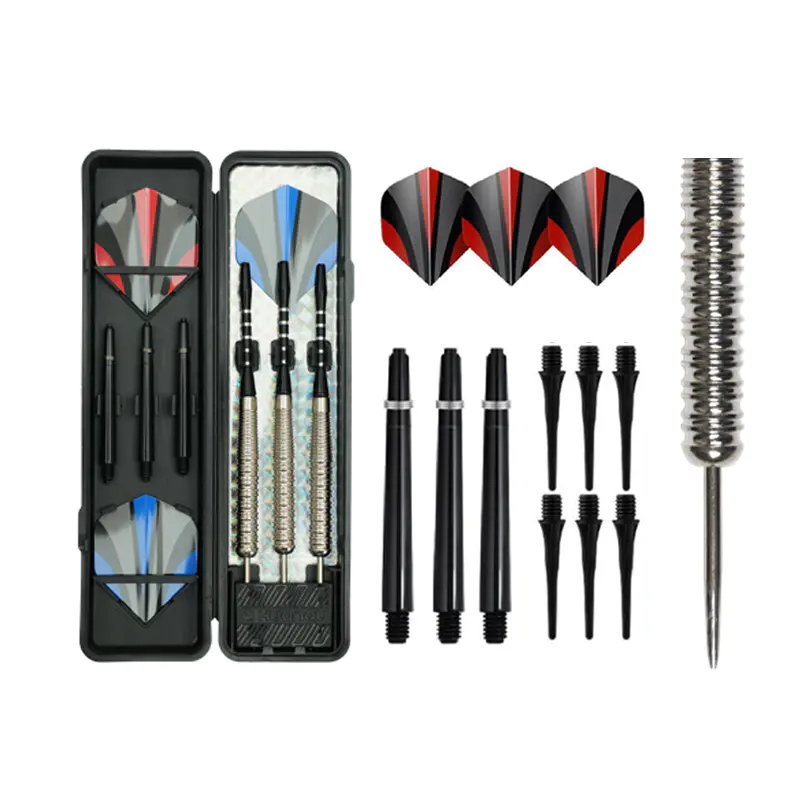
BL-1989 Precision Steel Tip Darts with Complete Accessory Kit
-
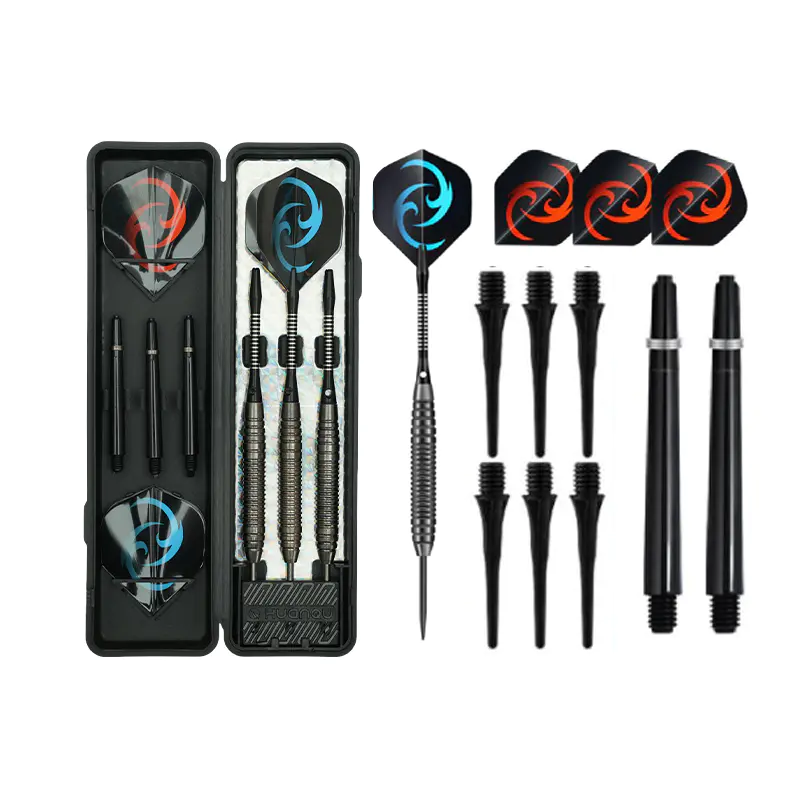
BL-1994 Precision Dart Set with Sharpener and O-Rings
-

alysa@yilisports.cn
-

+86-15355379817
-

No. 22, Suhe Road, Yibei Industrial Zone, Yiwu City, Zhejiang Province, China
Copyright © 2026 by Yiwu Yili Sports Sports Goods Co., Ltd. Rights Reserved.
