 English
 Français
 Español
 Deutsch

Double-Sided Paper Dartboard with Metal Number Ring and Darts: A Practical Retail and Recreation Solution
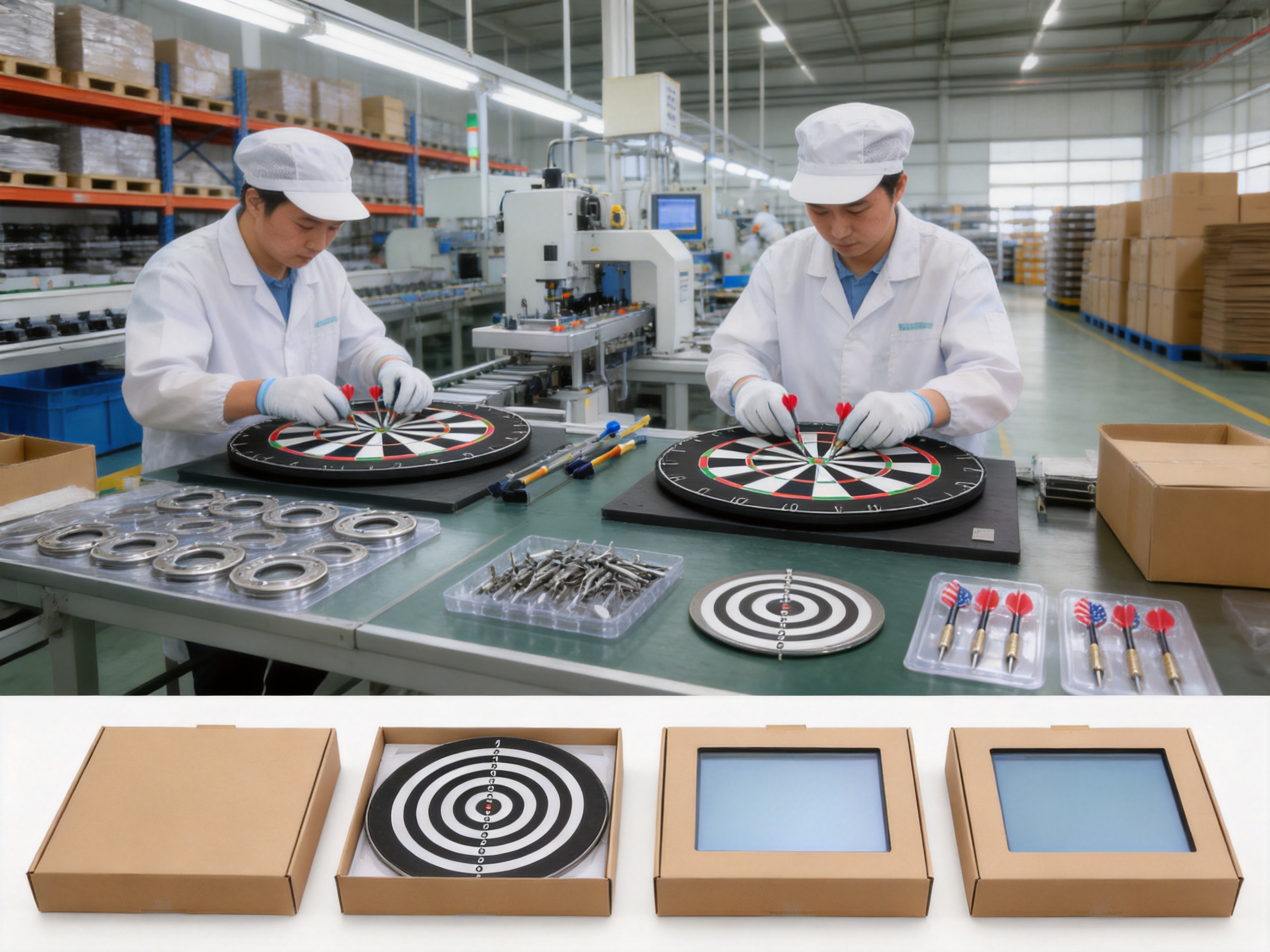
The double-sided paper dartboard with metal number ring and darts is designed as a versatile, accessible, and retail-ready product for indoor recreation. It combines two playable dartboard layouts in one compact set, provides a complete package with matching darts, and uses colorful blister packaging to support shelf presentation and direct sales. The product is suitable for homes, game rooms, schools, youth clubs, holiday parks, camping locations, bars, recreation centers, company break rooms, promotional programs, and other entertainment environments.
Unlike a single-purpose dartboard that offers only one playing surface, this model gives users the option to turn the board over and enjoy a second layout. That simple double-sided structure increases product variety without requiring customers to purchase two separate boards. For distributors and retailers, it creates a practical value proposition: one product can serve casual players, families, beginners, event organizers, and gift buyers while occupying a relatively small amount of display and storage space.
The product is manufactured by Yiwu Yili Sports Goods Co., Ltd., a China-based specialist focused on dartboards, darts, and related sporting products. The company combines category-specific experience with organized component processing, assembly, packaging, quality control, warehousing, and export operations. Its manufacturing system is designed to support both standard products and customized OEM or ODM programs for international wholesalers, retail chains, brand owners, and distributors.
Product Overview
This dartboard set is built around a paper dartboard body with two usable sides. Each side provides a different game layout, allowing players to change the style of play by simply turning the board over. This feature is especially useful in family and recreational settings, where users may want variety without learning a completely new product or buying additional equipment.
The board includes a metal number ring. The ring provides a defined scoring-number structure around the outside of the board and gives the product a more recognizable dartboard appearance. It also helps maintain a clear visual separation between the playing surface and the surrounding number area. For retail customers, the metal number ring adds a visible structural element that distinguishes the product from basic paper targets printed without an external ring.
Each set is supplied with six 16-gram darts. Including darts makes the product ready for use after purchase and reduces the need for customers to buy separate accessories. This complete-set approach is important for gift sales, seasonal promotions, family entertainment products, and impulse purchases. A customer can select the package, take it home, install it, and begin playing with minimal preparation.
The product is packed in a colorful retail display box with blister packaging. This form of packaging supports visual merchandising by allowing key components to be seen while protecting the product during handling. The blister presentation can show the dartboard, darts, and product configuration clearly on a store shelf. It is suitable for sporting-goods stores, department stores, toy and game retailers, online fulfillment operations, promotional distributors, and mixed-product retail environments.
Because the product is designed for indoor recreation and casual use, it can reach a broad customer base. Experienced players may use it as an informal practice or entertainment board, while beginners can use it as an approachable introduction to darts. Families can use the board for social games, schools and youth clubs can include it in supervised activities, and businesses can install it in employee recreation areas or hospitality spaces.
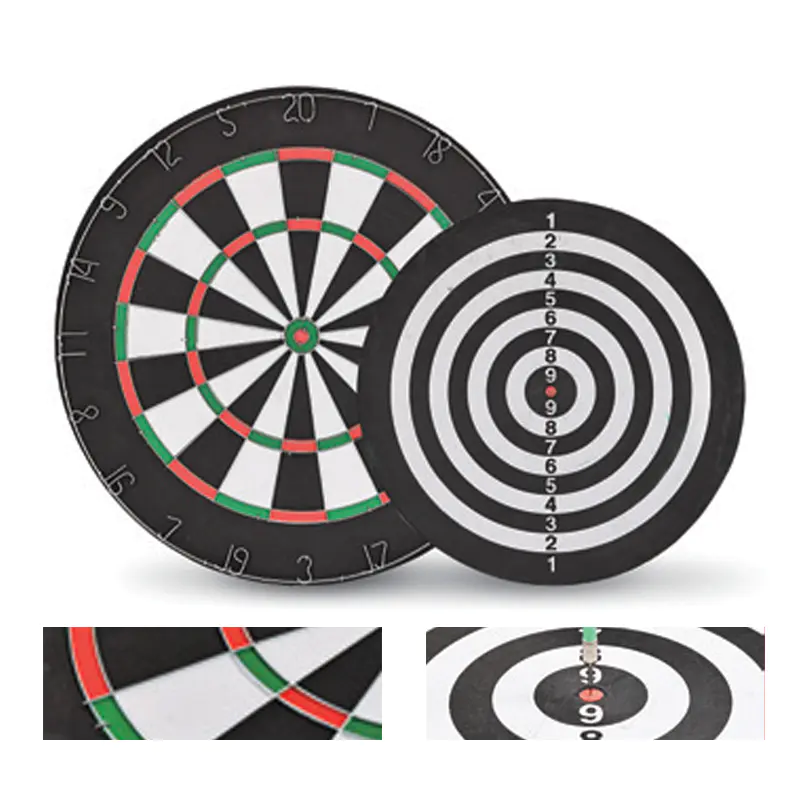
Double-Sided Paper Dartboard with Metal Number Ring and Darts
Core Advantages of the Double-Sided Design
Two Game Layouts in One Product
The most important functional advantage is the double-sided construction. A conventional single-sided paper dartboard generally provides one visual game format. This model provides two. Users can select a preferred side for regular play or switch between layouts to create a more varied recreational experience.
For families, different layouts can make the product more appealing to players with different levels of experience. A beginner may prefer a straightforward target arrangement, while another player may choose the alternative side for a change in difficulty or game style. In a group setting, the second side can also support different activities during the same event.
From a retail perspective, the double-sided feature increases the amount of visible product value without substantially increasing the number of units required. Retailers can position the set as a multi-use recreation item rather than a basic target. Distributors can present it as a flexible option for casual consumers, seasonal gift programs, and promotional campaigns.
Practical Paperboard Construction
The paperboard structure provides a balance between usability, price accessibility, and convenience. Paper dartboards are generally easier to handle than heavier professional boards, making them suitable for temporary installations, transport between locations, and indoor recreational spaces where a lightweight product is preferred.
The board is designed with dart-holding performance in mind. Darts are intended to stick firmly enough for normal recreational play and to be removed efficiently after each round. This characteristic contributes to a smoother user experience because players can see their results, retrieve darts, and continue playing without unnecessary interruptions.
Paper construction also supports practical retail positioning. It allows the product to remain approachable for first-time buyers who may not be ready to invest in a premium professional dartboard. For promotional events, schools, holiday facilities, or community programs, the lower-complexity format can help organizations provide dart activities to more users within a controlled budget.
Metal Number Ring
The metal number ring provides both visual and structural value. The numbered perimeter helps players identify scoring areas clearly, while the metal component gives the dartboard a defined outer edge. Compared with a printed paper-only number area, a metal ring can contribute to a more substantial appearance on the shelf and in use.
The ring also supports the recognizable appearance expected by consumers shopping for a dartboard. A clear number arrangement is important for scoring, teaching, and casual competition. New players can follow the numbers more easily, while families and event organizers can explain the game without requiring a separate scoring guide for basic play.
For product presentation, the metal number ring can be highlighted on packaging as a visible feature. It helps the item appear more complete and differentiated from low-cost targets that may have fewer structural components. This distinction can be useful in retail environments where customers compare several dartboard products side by side.
Complete Accessory Configuration
Six 16-gram darts are included with every set. A complete accessory configuration simplifies purchasing and supports immediate use. Customers do not need to search for compatible darts, determine an appropriate weight, or wait for additional accessories before starting a game.
The included darts are also useful for retail packaging because they communicate the product’s complete nature at a glance. Transparent blister sections can display the darts alongside the board, helping customers understand what is included before purchase. For gift buyers, this reduces uncertainty and makes the set easier to select.
For OEM and ODM customers, the accessory configuration can be adjusted according to market requirements. Depending on the target market, a buyer may request different dart quantities, flight designs, shaft colors, packaging artwork, logo printing, or accessory combinations. This flexibility allows the same basic product platform to be adapted for different customer segments and sales channels.
Advantages Compared with Basic Single-Sided Dartboards
The product’s competitive advantages are centered on value, variety, presentation, and supply flexibility rather than on claiming professional tournament performance. Its purpose is to serve practical recreational and retail needs. Within that category, the double-sided structure gives it a stronger use proposition than a basic single-sided paper target.
Greater Variety Without a Second Purchase
A customer purchasing a single-sided board receives one playing format. The double-sided model offers two. This can make the product more attractive to households that want a recreational item with repeat-use value. When players can alternate between layouts, the board may remain interesting for longer periods and support more types of informal games.
For retailers, the added layout can be communicated as a simple and understandable benefit. It does not require technical explanation. “Two sides, two game options” is an easy message for packaging, product listings, catalogues, and sales presentations.
Stronger Shelf Appeal
The metal number ring, visible darts, and colorful blister packaging create a more complete retail presentation than an unassembled paper target in a plain package. Shelf appeal is particularly important for sporting-goods and gift products because customers often make purchasing decisions quickly while comparing size, appearance, included accessories, and apparent value.
The retail display box can also assist sales staff and online fulfillment teams. The packaging communicates product identity, protects the board during transportation, and organizes the included components in a recognizable format. For distributors, a consistent retail-ready package reduces the need for additional repacking before shipment to stores.
Broad Consumer Accessibility
The product is not limited to experienced dart players. Its intended application includes family entertainment, indoor recreation, youth activities, promotional events, and general leisure use. This broad positioning allows buyers to introduce darts to people who may have never owned a dartboard before.
A product that is simple to understand and ready to use can perform well in multiple sales channels. It may be offered through sporting-goods retail, toys and games, seasonal gifts, camping and holiday products, promotional merchandise, hospitality supply, and online marketplaces. This channel flexibility is valuable to importers and wholesalers seeking products that are not dependent on one specialized customer group.
Convenient for Temporary or Multi-Location Use
The practical paperboard format is suitable for locations where equipment may need to be moved, stored, or installed temporarily. Holiday parks, schools, clubs, company break rooms, and promotional events may not require a permanent professional installation. A lightweight recreational board can be transported between rooms, stored after use, or brought to an event without the handling requirements associated with heavier specialty equipment.
Camping and outdoor leisure operators may also use the product in covered or indoor areas. When used outside, the board should be protected from moisture, rain, and excessive humidity because paper materials are not intended for prolonged exposure to wet conditions. Proper handling and storage can help maintain the appearance and usability of the board.
Applications in Retail and Recreation
Family Entertainment
At home, the dartboard can become a shared activity for family members and guests. Its two-sided layout provides a simple way to vary games, while the included darts mean that the package is ready for use. Families can play informal scoring games, practice aiming, or create their own rules suitable for different ages and skill levels.
Adult supervision is recommended when children use darts. The product should be installed in a safe location with sufficient clearance behind and around the board. Players should remain behind the throwing line, and non-players should not stand near the target or in the path of thrown darts.
Schools and Youth Clubs
Schools, youth clubs, and community organizations can use the product for supervised recreation. Dart activities can support hand-eye coordination, concentration, arithmetic practice, turn-taking, and social interaction. The two-sided format may help instructors introduce different activities without requiring multiple board types.
Organizations should establish clear safety rules and use an appropriate room layout. Access to darts should be controlled, and the board should be installed at a suitable height for the intended users. For younger participants, an organization may choose to use the product only with trained supervision and structured rules.
Bars, Recreation Centers, and Hospitality Locations
Bars, lounges, recreation centers, and hospitality facilities often use dartboards to add an interactive element to the customer experience. The product can serve as an economical option for casual entertainment areas or as a supplementary board for special events.
In commercial locations, operators should inspect the board regularly. The paper playing surface, number ring, mounting point, and darts should be checked for wear or damage. A replacement schedule can help maintain a positive customer experience, especially in locations with frequent use.
Company Break Rooms
In workplace recreation areas, a dartboard can provide a short social activity during breaks or informal team events. The compact product format allows companies to create a recreation corner without dedicating a large area to heavy equipment. The double-sided design gives employees more than one option for casual play.
Companies should select a safe installation area away from walkways, glass, fragile equipment, and working stations. Clear internal rules can help prevent misuse and ensure that the activity remains appropriate for the workplace.
Promotional and Event Programs
Promotional agencies and event organizers can use the dartboard as an interactive branded gift or activity product. The product can be distributed at trade shows, sports events, community programs, holiday promotions, and customer engagement campaigns.
OEM and ODM customization can support these programs through logo printing, customized artwork, packaging design, color changes, and accessory configurations. A company can place its identity on the board or packaging while retaining the familiar recreational function. This makes the product suitable both as a giveaway and as an attraction at a promotional booth.
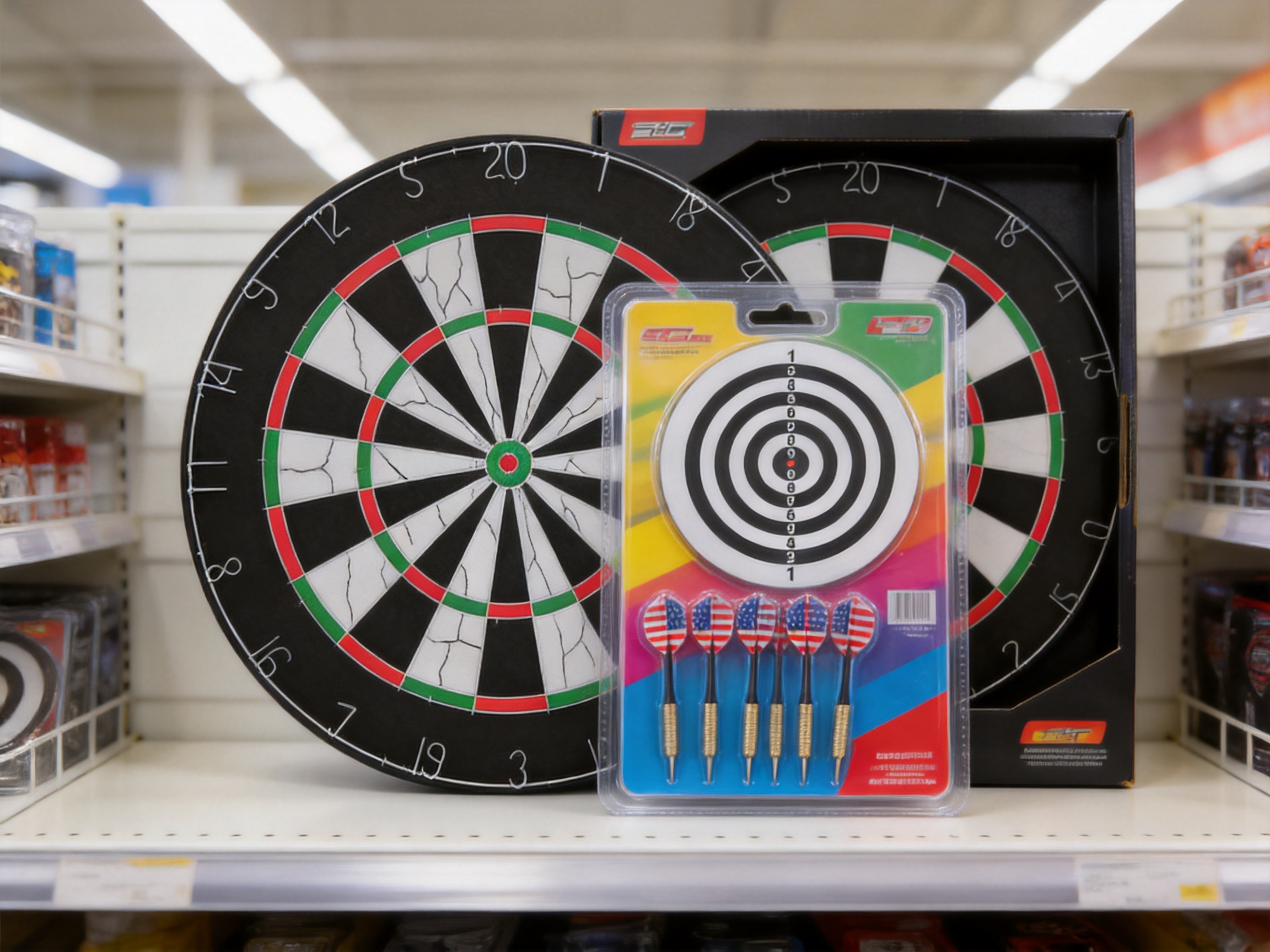
Retail Packaging and Merchandising Value
The colorful retail display box and blister packaging are important parts of the product proposition. Packaging is not only a protective layer; it is also a sales communication tool. It should help customers understand the product type, included accessories, visual design, and primary benefits before they open the package.
Blister packaging allows the darts and other visible components to be displayed clearly. Customers can confirm that the set includes six darts and can see the general appearance of the board. The display box can carry product information, usage guidance, safety reminders, customization elements, and brand or distributor details.
For wholesalers, retail-ready packaging can reduce the number of preparation steps required before products are delivered to sales outlets. Items can be shipped in cartons, received by a warehouse, and transferred to store shelves with limited additional handling. This can support more efficient inventory management and improve consistency between different sales locations.
Packaging design can be adapted for different markets. OEM customers may request multilingual instructions, market-specific warnings, barcode placement, retail dimensions, or different visual themes. Promotional buyers may prefer packaging that emphasizes a campaign, organization, sporting event, or seasonal occasion.
The product is also suitable for catalogue and e-commerce presentation. Photographs can show the front of the package, the included darts, and the two board faces. Product descriptions should clearly state that the board is intended for recreational use and should provide accurate information about dimensions, included components, packaging quantity, and available customization.
Manufacturing Strengths of Yiwu Yili Sports Goods Co., Ltd.
Yiwu Yili Sports Goods Co., Ltd. is a specialized manufacturer dedicated to dartboards, darts, and related sporting products. Its focused category experience allows the company to concentrate engineering, production, quality control, and packaging knowledge on the specific requirements of the dart industry.
The company’s operational facility covers approximately 25,000 square meters. The facility includes dedicated areas for component processing, assembly, packaging, and warehousing. Separating these functions supports a more organized workflow from incoming materials to finished export cartons.
A structured production layout is important for repeat orders. When workstations, materials, inspection points, and packaging areas are arranged systematically, production teams can reduce unnecessary movement and improve order coordination. This is especially valuable for B2B customers that require consistent product specifications over multiple shipments.
Component Processing and Assembly
The company’s manufacturing system includes component processing and assembly operations. For this dartboard set, the production process may involve preparing the paperboard, printing or applying the game layouts, producing or sourcing the metal number ring, assembling the board components, preparing the darts, and completing the retail package.
Each stage contributes to the final customer experience. Accurate layout alignment helps preserve the intended appearance of the board. Consistent ring installation supports a stable visual structure. Proper dart assembly improves the completeness of the set. Organized packaging ensures that the product reaches retailers with the board and accessories correctly presented.
Component processing also supports OEM and ODM work. Buyers may require specific materials, colors, artwork, logos, or packaging formats. A manufacturer with dedicated processing and assembly capabilities is better positioned to coordinate those requirements than a supplier that only performs final trading or repacking operations.
Automation and Proprietary Equipment Development
Yiwu Yili continues to invest in automation and proprietary equipment development. Automated production lines can improve repeatability by controlling certain production movements and reducing variation between units. Automation is particularly useful for large-volume orders where stable output is necessary.
Equipment development can also help the company adapt processes to product improvements. When a manufacturer develops or modifies equipment for its own production requirements, it may gain better control over workflow, positioning, assembly, or output efficiency. Such investment demonstrates a long-term approach to manufacturing rather than reliance only on short-term order fulfillment.
For international B2B buyers, manufacturing automation can support more predictable lead-time planning and production consistency. While actual capacity and delivery schedules depend on order specifications, quantities, materials, and customization requirements, a structured automated system provides a stronger foundation for recurring supply programs.
Quality Control System
An independent quality control department oversees raw material inspection, in-process monitoring, and finished product testing. This three-stage approach is important because quality cannot be created only at the final packing stage. Problems with materials, printing, component fit, or accessory configuration are easier to manage when they are identified during production.
Raw material inspection helps verify that incoming components meet defined requirements before they enter the production line. In-process monitoring allows the factory to check appearance, dimensions, assembly condition, and packaging progress during manufacturing. Finished product inspection provides a final opportunity to identify incomplete sets, visible defects, packaging issues, or specification differences before shipment.
The company’s quality controls include checking defined standards for size, weight, and appearance. For a dartboard set, these areas are directly relevant to customer satisfaction. Product size affects installation and retail description. Dart weight affects the declared specification. Appearance influences shelf appeal and brand presentation.
For private-label customers, quality consistency is especially important because the product is sold under the buyer’s own name or brand. A stable inspection process helps protect the customer’s reputation and supports more reliable repeat orders.
Warehousing and Export Organization
Dedicated warehousing supports the movement of finished goods from production to shipment. Proper storage helps organize standard products, customized orders, packaging materials, and export cartons. It also assists order consolidation for customers purchasing several item numbers or related dart products.
The company exports to Europe, North America, and the Middle East. Serving these markets requires attention to product documentation, packaging requirements, shipment planning, communication, and commercial specifications. Structured export procedures can help international customers coordinate orders from China with greater clarity.
Global buyers may include brand owners, retail chains, sporting-goods distributors, promotional companies, and importers. Each customer type may have different expectations for packaging, order quantities, quality documentation, product labeling, and delivery planning. A specialized export-oriented manufacturer can coordinate these requirements as part of a broader B2B service.
Product Specification and Packing Information
The following table summarizes the supplied item numbers, listed sizes, included darts, carton quantities, packing dimensions, and net/gross weight information. The original specification sheet contains several formatting irregularities, including inconsistent unit notation and the use of “tn” in some carton entries. Buyers should confirm final dimensions, carton markings, and packing details with the supplier before placing a production order.
| Item Number | Listed Size | Included Darts | Packing Quantity | Packing Rate | Net/Gross Weight |
|---|---|---|---|---|---|
| BL-18213 | 18 in × 7 in | 6 × 16 g darts | 6 pcs/carton | 46.5 × 22 × 47 cm | 19/18 kg |
| BL-17213 | 17 in × 1 in as listed; confirm final specification | 6 × 16 g darts | 6 pcs/carton | 44 × 22 × 44.5 cm | 17/16 kg |
| BL-15213 | 15 in × 1 in as listed; confirm final specification | 6 × 16 g darts | 8 pcs/carton | 39 × 22 × 39.5 cm | 21/20 kg |
| BL-18223 | 18 in × 7 in | 6 × 16 g darts | 6 pcs/carton | 53 × 17.5 × 49.5 cm | 18/17 kg |
| BL-17223 | 17 in × 7 in | 6 × 16 g darts | 12 pcs/carton | 50 × 36 × 46 cm | 35/34 kg |
The differences among item numbers may relate to board size, design variation, packaging structure, or other product configurations. Buyers should request a final technical sheet showing the exact board dimensions, game layouts, ring construction, dart details, carton quantity, carton dimensions, and gross and net weights for the selected model.
Accurate specification confirmation is particularly important for container loading, warehouse planning, freight quotations, import documentation, and online product listings. It also helps prevent discrepancies between samples, purchase orders, packaging artwork, and mass production.
OEM and ODM Customization Opportunities
The product can be adapted for customers seeking private-label or customized dartboard programs. OEM services may include logo printing, customized package artwork, selected color schemes, printed instructions, barcode placement, and accessory configurations. ODM services may extend to new visual concepts, alternative layouts, packaging structures, and product combinations developed according to the buyer’s market plan.
Customized Board Artwork
The two board faces provide opportunities for customized visual treatment. A buyer may request different game layouts, color combinations, target graphics, instructional markings, or themed artwork. The selected design should remain clear and functional so that numbers, scoring areas, and game instructions are easy to understand.
Custom artwork can be developed for sports retailers, entertainment venues, promotional campaigns, educational programs, holiday brands, or corporate events. A themed dartboard may create a stronger connection between the product and the intended customer group while preserving the basic recreational function.
Private-Label Packaging
Packaging is often one of the most important elements of a private-label project. Buyers can request their own logo, company information, color system, product name, barcode, retail claims, and language content. A professionally prepared package helps the product fit into an existing product range and supports consistent presentation across stores or online channels.
Packaging should accurately describe the contents and avoid claims that cannot be verified. It should state the number of included darts, board configuration, intended use, safety information, and any relevant handling instructions. The manufacturer can coordinate packaging files and production requirements with the buyer during the development process.
Accessory Configuration
Different markets may prefer different dart quantities, colors, flight designs, shaft types, or supplementary accessories. The standard configuration includes six 16-gram darts, but buyers can discuss alternative arrangements for promotional programs, gift sets, starter kits, or retail bundles.
Accessory customization can help a distributor create product tiers. For example, one package may be positioned as a basic family set, while another may include additional darts or a more extensive accessory selection. Product variations should be planned carefully so that each item has a clear purpose and does not create unnecessary confusion in the retail channel.
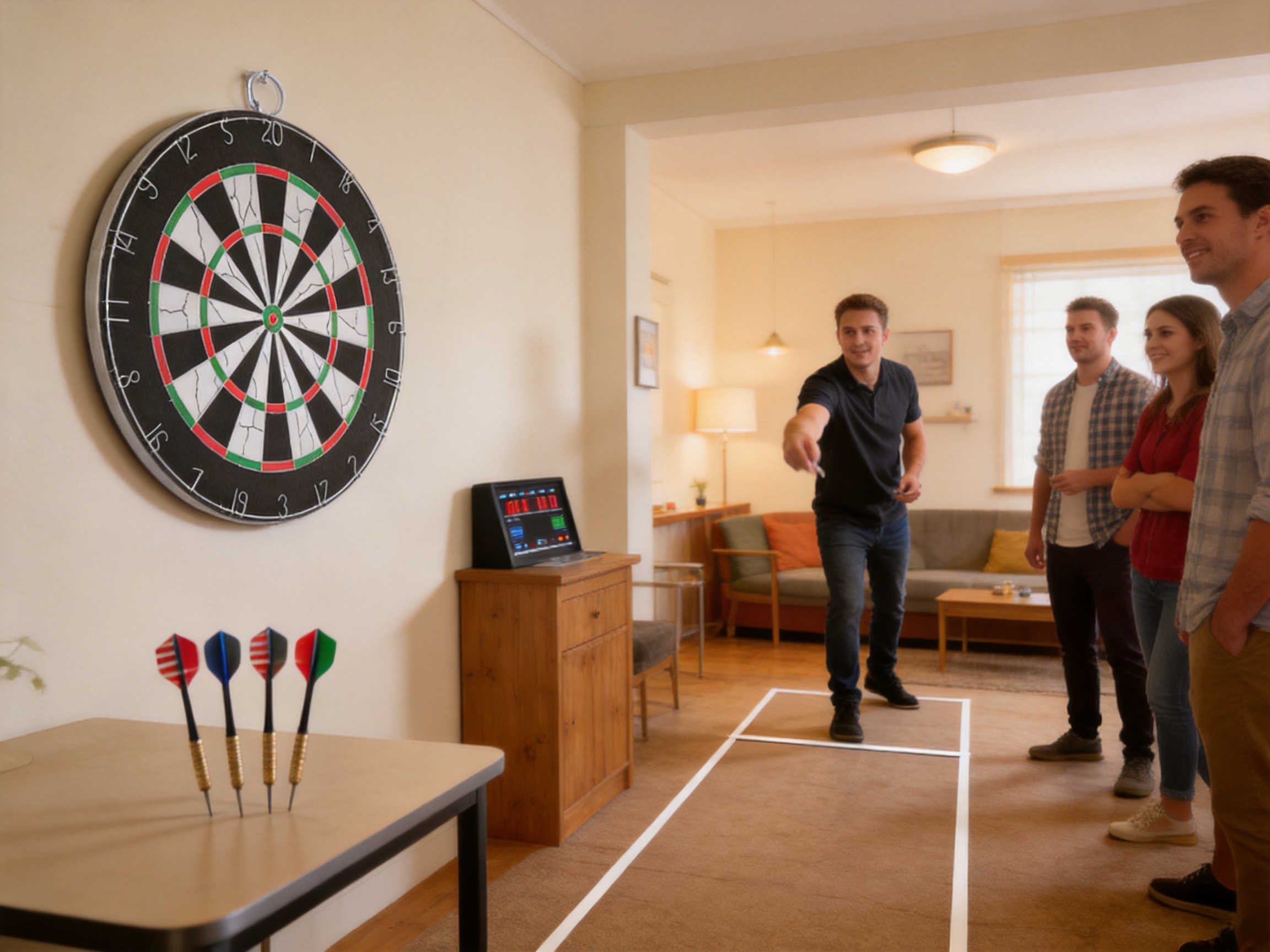
Recommended Installation and Use Practices
The board should be installed on a stable indoor wall or another secure surface suitable for the product weight and mounting method. The surrounding area should provide sufficient clearance for throwing, retrieving darts, and moving safely around the playing zone.
Users should inspect the board and darts before play. Damaged darts, loose components, or visibly weakened materials should not be used. The board should remain dry and should be stored away from high humidity, direct water exposure, and conditions that could deform the paperboard.
Players should establish a clear throwing line and ensure that nobody stands between the line and the board. Children should use the set only with suitable adult supervision. Darts should be collected only after all players have stopped throwing and moved away from the throwing line.
To help extend product life, users should distribute throws across the target area rather than repeatedly aiming at one small section. Darts should be removed carefully and stored securely after use. The board should be kept in its packaging or placed in a protected storage location when it is not installed.
Why Specialized Dart Manufacturing Matters
Dart products may appear simple, but consistent manufacturing requires attention to multiple details. The target layout must be visually accurate, the board must accept darts appropriately, the metal number ring must be correctly integrated, the included darts must match the stated configuration, and the retail package must contain all required components.
A manufacturer focused specifically on darts is able to accumulate category knowledge across these details. Yiwu Yili’s long-term focus includes sisal dartboards, flocked dartboards, magnetic safety structures, dart assembly, and retail-ready product packaging. This product concentration supports a deeper understanding of dart-related materials, construction, presentation, and customer requirements.
The company was founded in 1993 and established an overseas sales network in 1995. It built a new factory in 2001, launched a sisal dartboard production line in 2017, introduced multiple automated production lines through independent research and development in 2023, and expanded into a new production facility in 2024. This development history indicates continued investment in production capability and product category specialization.
YILI has also been designated as a standard-setting enterprise for dart production. For B2B customers, this type of industry involvement can be relevant because it reflects participation in broader manufacturing standards and category development. Buyers should still conduct their own product verification, quality review, and compliance assessment for each order, but supplier experience can be an important part of the sourcing decision.
Purchasing Considerations for Importers and Distributors
Before ordering, buyers should define the intended sales channel and customer profile. A family retail program may prioritize colorful packaging, simple instructions, and accessible pricing. A promotional campaign may prioritize logo placement, customized artwork, and a defined delivery schedule. A sporting-goods distributor may require product consistency, carton efficiency, and repeat-order support.
Buyers should request a pre-production sample or approved reference sample for customized orders. The sample should be checked for board dimensions, layout clarity, ring installation, dart configuration, packaging appearance, and overall workmanship. Approval procedures should be documented so that production teams and buyers share the same reference.
Order discussions should also cover minimum order quantities, artwork requirements, sample charges, production lead time, inspection arrangements, payment terms, shipping terms, carton markings, and export documentation. For large or recurring orders, buyers may benefit from a written quality specification that describes acceptable standards for printing, assembly, appearance, packaging, and accessories.
Carton data should be confirmed before shipment. The listed information includes different packing rates and carton dimensions for the available item numbers. Correct data is essential for freight calculation, warehouse planning, palletization, container loading, and retail distribution.
Buyers should also consider how the board will be marketed. Clear product claims can focus on the double-sided design, metal number ring, included darts, retail-ready blister packaging, and suitability for family and recreational use. The product should not be presented as a professional tournament board unless its construction and certification meet the specific requirements of the relevant competition organization.
Quality, Consistency, and Long-Term Supply
For a one-time promotional order, basic product consistency is important. For a long-term retail program, it is essential. Small differences in board dimensions, colors, number placement, dart weight, or packaging can create problems when customers reorder or when products are displayed together in a store.
Yiwu Yili’s production structure is designed to support stable order execution. Its facility organization, automated production investment, independent quality control department, component processing, assembly, packaging, and warehousing capabilities provide a foundation for repeat manufacturing. These strengths can help international customers develop a consistent supply relationship rather than source each shipment from a different supplier.
Long-term cooperation can also make customization more efficient. Once artwork, specifications, approved samples, packaging files, and inspection procedures have been established, future orders may require fewer development steps. The supplier and buyer can focus on production planning, inventory timing, seasonal demand, and product updates.
For global distributors, reliability includes more than product quality. It also includes communication, document accuracy, order coordination, packaging compliance, and responsiveness to changes. A specialized manufacturer with structured export procedures is better positioned to address these operational elements in an organized way.
Frequently Asked Questions
What makes this dartboard different from a standard paper dartboard?
The principal difference is its double-sided construction. It provides two different game layouts in one product. It also includes a metal number ring, six 16-gram darts, and colorful retail blister packaging, creating a more complete recreational and retail package.
Is the product suitable for professional tournaments?
The product is positioned primarily for family entertainment, casual play, indoor recreation, retail sales, and promotional use. Buyers requiring tournament equipment should verify the board construction, dimensions, materials, and applicable certification requirements separately.
How many darts are included?
The standard specification includes six 16-gram darts per set. Customers should confirm the final accessory configuration when ordering customized versions.
Can the artwork be customized?
Yes. The manufacturer offers OEM and ODM services that may include customized artwork, packaging design, logo printing, and accessory configurations. Final customization options depend on the order requirements and production confirmation.
Can the packaging be produced under a private label?
Yes. Buyers can discuss private-label packaging, including logos, artwork, product information, barcode placement, language requirements, and other retail presentation details.
Where can the dartboard be used?
It can be used in homes, game rooms, schools, youth clubs, holiday parks, camping facilities, bars, recreation centers, company break rooms, and promotional events. The board should be used in a safe, dry, and appropriately supervised environment.
Is the paperboard water-resistant?
The product is intended primarily for indoor use and should be protected from rain, splashes, prolonged humidity, and other moisture. Proper storage is recommended to preserve the paperboard and printed surface.
What does the metal number ring do?
The metal number ring provides a defined numbered perimeter and contributes to the board’s visual structure. It helps identify scoring numbers and gives the product a more substantial appearance than a paper-only printed target.
Are multiple sizes available?
The supplied information lists several item numbers, including 18-inch, 17-inch, and 15-inch entries. Some dimensions in the original data contain inconsistent notation, so buyers should confirm the exact finished dimensions for the selected model before ordering.
What manufacturing capabilities does the supplier provide?
The company provides component processing, assembly, packaging, warehousing, quality control, automated production, proprietary equipment development, OEM, ODM, and export support. Its product focus includes dartboards, darts, and related dart accessories.
Which markets does the company serve?
The company exports to Europe, North America, and the Middle East, serving brand owners, retail chains, distributors, and other international B2B customers.
How should buyers verify a customized order?
Buyers should approve a production sample, confirm the technical specification, review packaging artwork, define acceptable quality standards, and verify carton details before mass production. For recurring orders, a written reference specification can support consistency.
Conclusion
The double-sided paper dartboard with metal number ring and darts is a practical product for customers seeking variety, accessibility, and ready-to-use convenience. Its two game layouts provide greater recreational flexibility than a basic single-sided target, while the metal number ring improves visual definition and retail presentation. The inclusion of six 16-gram darts makes the set complete, and the colorful blister package supports direct merchandising through stores, catalogues, promotional programs, and online channels.
The product’s broad application range makes it suitable for households, schools, youth clubs, hospitality venues, company recreation areas, holiday facilities, and promotional events. Its paperboard format supports convenient handling and practical pricing, while the double-sided design adds value without requiring a second board.
For international buyers, the product is supported by the manufacturing capabilities of Yiwu Yili Sports Goods Co., Ltd. The company’s specialized dart focus, approximately 25,000-square-meter facility, component processing, assembly, automated production investment, independent quality control, packaging operations, warehousing, and export experience provide a strong foundation for B2B supply.
OEM and ODM flexibility further expands the product’s commercial potential. Customized artwork, logo printing, packaging design, and accessory configurations allow distributors, retail chains, brand owners, and promotional agencies to adapt the dartboard to their own market strategies. With accurate specifications, approved samples, clear quality requirements, and coordinated packaging, this product can serve as a reliable recreational item and a flexible private-label platform.
References
1. Product specification information for the double-sided paper dartboard with metal number ring and darts, item numbers BL-18213, BL-17213, BL-15213, BL-18223, and BL-17223.
2. Yiwu Yili Sports Goods Co., Ltd. company profile and manufacturing information, including facility capacity, production organization, quality control, automation investment, and export markets.
3. General product-development principles for recreational sporting goods, including design usability, packaging communication, accessory completeness, and retail merchandising.
4. General safety practices for recreational dartboard installation, supervised play, dart handling, and indoor activity-area planning.
5. General OEM and ODM sourcing practices for private-label sporting products, including artwork approval, sample confirmation, packaging specification, inspection planning, and export preparation.
Product: Double-Sided Paper Dartboard with Metal Number Ring and Darts

Recommended Products
-


Double-Sided Paper Dartboard with Metal Number Ring and Darts
-
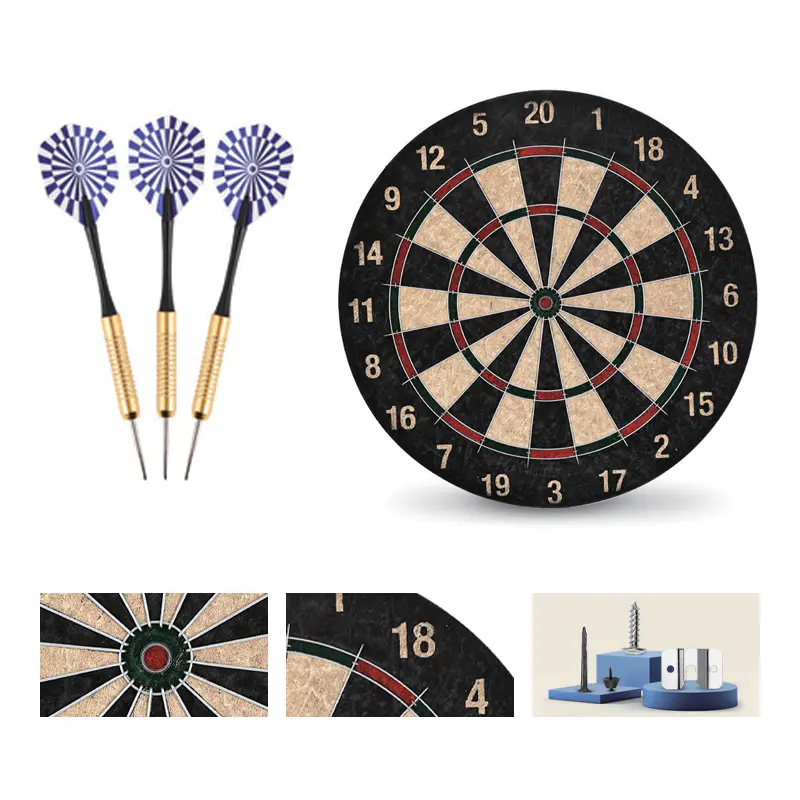
BL-1819 18 inch Bristle Dartboard with Printed Number Ring and Darts
-

Baili Double-Sided Paper Dartboard Set with Metal Ring
-
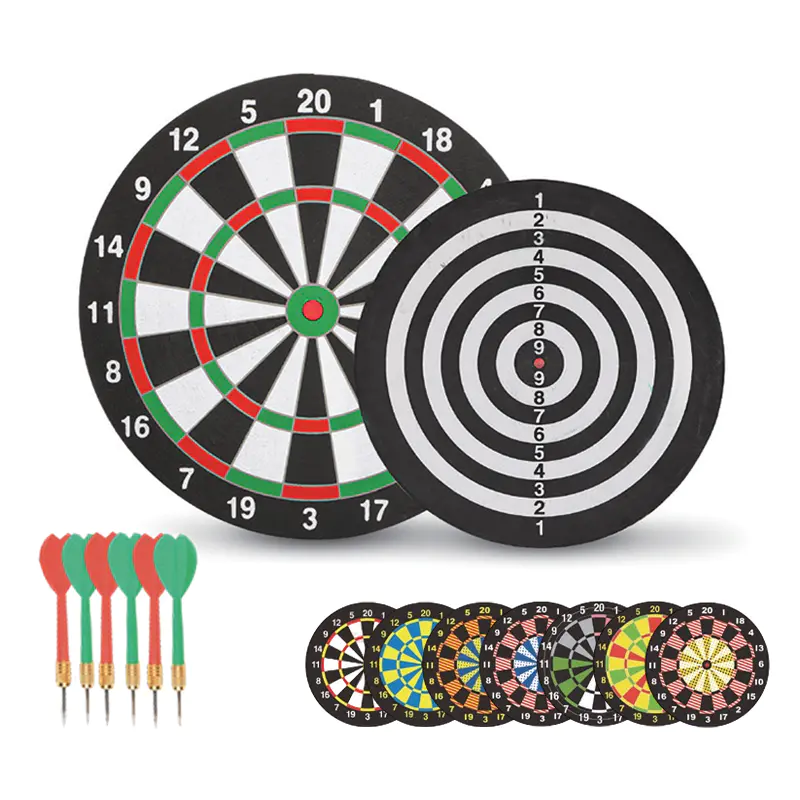
Double-Sided Paper Dartboard Set with 6 Darts for Family Fun
-
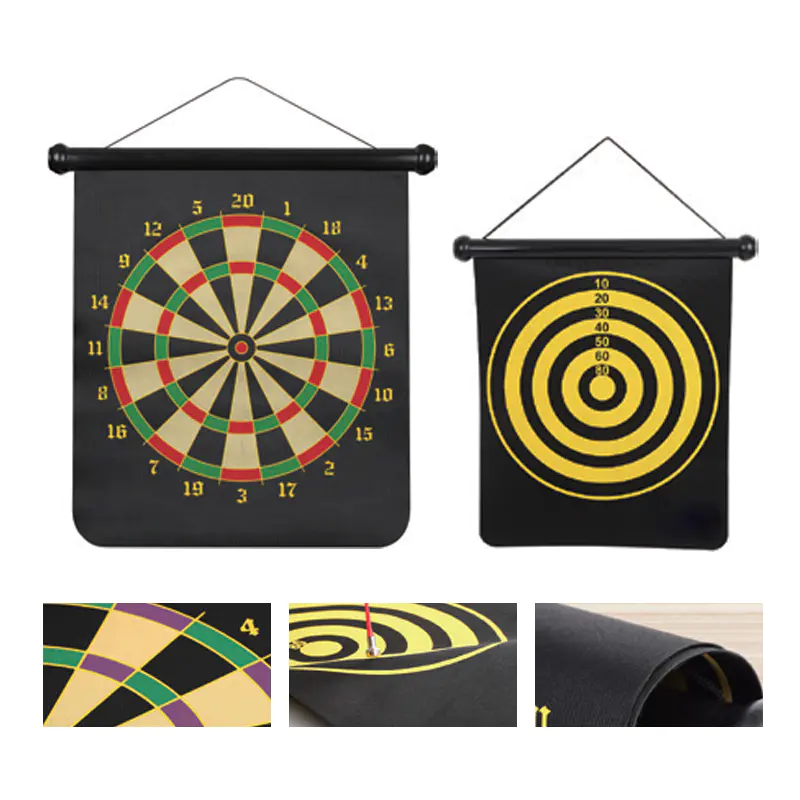
Double-Sided Roll-Up Kids Dartboard Set for Indoor and Outdoor
-
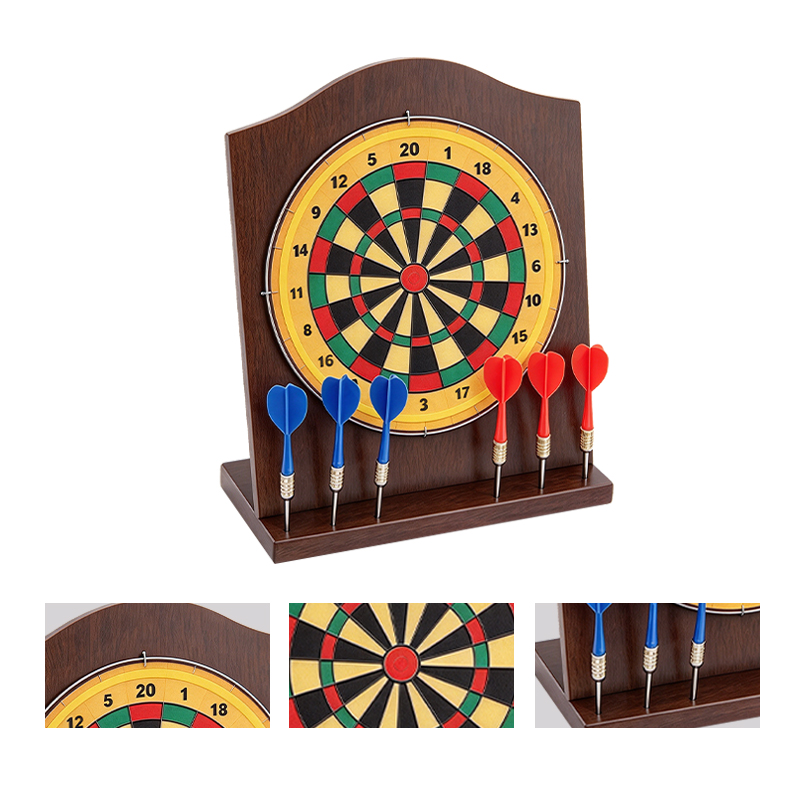
Mini Tabletop Dartboard Set with Standing Base and Darts
-

alysa@yilisports.cn
-

+86-15355379817
-

No. 22, Suhe Road, Yibei Industrial Zone, Yiwu City, Zhejiang Province, China
Copyright © 2026 by Yiwu Yili Sports Sports Goods Co., Ltd. Rights Reserved.
